Newly Diagnosed with PCOS? 14 Tips to Get You Started

If you’ve just been diagnosed with PCOS, you might be feeling overwhelmed and unsure where to start. Turning to Dr. Google or scrolling social media can make it worse. There’s so much conflicting advice out there, and the pressure to “fix it all” right away can leave you more stressed than supported. I totally get it. It’s natural to want to do everything you can right now to manage PCOS, but trying to change too much at once, especially based on misinformation, often backfires.
I’ve heard from so many women in this exact situation, which is why I put together this list of practical tips to help reduce overwhelm and guide you forward, step by step. Keep in mind, these are general suggestions, not medical or medication advice. And remember, you don’t have to do everything at once. Start with just one or two ideas that feel doable and build from there. Small changes really do add up.
What Is PCOS? A Quick Overview
PCOS, or polycystic ovary syndrome, is a complex reproductive, metabolic, and hormonal condition that affects up to 15 percent of women, although some research suggests it may be as high as 20 percent depending on the diagnostic criteria used. It is one of the most common hormone disorders in women, yet up to 50 percent of cases go undiagnosed.
 While PCOS is often associated with women of reproductive age, it can actually affect individuals from adolescence through perimenopause.
Although medications may be part of treatment for some, lifestyle changes—including nutrition, physical activity, sleep, stress management, and emotional health—are considered the first line of therapy. These changes can significantly improve symptoms and long-term health risks.
Most women with PCOS have some degree of insulin resistance and chronic low-grade inflammation. Research also suggests there may be a link to an altered gut microbiome. Common symptoms include irregular periods, acne, hair thinning, excess hair growth on the face or body, and difficulty losing weight, especially around the belly. There is also a higher risk for type 2 diabetes, high cholesterol, and heart disease.
It is important to understand that there is no one-size-fits-all version of PCOS. Some women may have just a few symptoms, while others experience many. And those symptoms can change throughout different phases of life.
14 Tips to Take Control of Your PCOS
Getting diagnosed with PCOS can feel like stepping into a maze of conflicting advice and unrealistic expectations. But you don’t have to figure it all out at once. These tips are designed to help you reduce overwhelm, understand your body, and start making changes that feel manageable and sustainable. Start with one or two that resonate with you, and build from there. Small, consistent steps can have a big impact over time.
1. Slow down and breathe
You don’t need to figure everything out right away. That sense of urgency can add more stress—and stress can make PCOS symptoms worse. Give yourself permission to take things one step at a time. The good news is that lifestyle changes can make a real difference. Focus on progress, not perfection.
2. Cultivate a mindset of self-compassion and curiosity
You didn’t cause your PCOS. It’s a complex condition influenced by genetics, environment, and hormones—not your choices or willpower. It is possible to live a healthy, joyful life with PCOS, even if it may look different from what you expected.
 Approaching your diagnosis with curiosity and self-compassion can help you move forward without guilt or shame. Instead of asking “What am I doing wrong?” try “What can I learn from this?” Progress might be slow at times, and that’s okay. Small changes, made consistently, can create powerful results. Give yourself grace, and remember that your worth is not defined by your symptoms or your weight.
3. Educate yourself with credible information
Start by learning the basics of PCOS from trusted, evidence-based sources. There is a lot of confusing and conflicting information online, especially on social media. Be cautious of rigid advice, “PCOS type” quizzes, and trendy supplements without scientific backing on what works for your body. Focus on understanding your body and what factors may be driving your symptoms. A strong foundation of knowledge will help you feel more in control and ready to make lasting changes, without the pressure to do it all at once.
4. Build a healthcare team that understands PCOS
Having a team of professionals who are knowledgeable about PCOS can make a big difference in your care and confidence. Unfortunately, not all healthcare providers are well-versed in the condition. Start by asking your doctor for referrals, or look for practitioners who specialize in PCOS through professional directories, online communities, or books written by experts. You might need more than one provider depending on your symptoms and goals. Your team could include an internist, endocrinologist, gynecologist, reproductive specialist, dermatologist, therapist, registered dietitian, or health coach. Choose people who listen, support you, and take your concerns seriously.
That said, not everyone has access to PCOS-literate providers. If that’s your situation, focus on what you can do. Educate yourself with trusted resources, come prepared to appointments, and ask for the labs or referrals you need. Some companies, like Allara Health, offer virtual PCOS care and may even accept insurance. With the right tools and persistence, you can still get the guidance and care you need, even if it takes a bit of creativity and advocacy.
5. Keep track of your labs and blood pressure
Since PCOS is a metabolic condition, it’s important to monitor key health markers over time. Keeping track of your labs gives you insight into how your body is responding and can help guide your next steps. Start with basics like cholesterol (including LDL, HDL, and triglycerides), fasting blood glucose, and HbA1c. A two-hour glucose tolerance test can also provide valuable information about insulin resistance. Other labs to consider include vitamin D, vitamin B12 (especially if you’re on Metformin), a full thyroid panel, and of course, your blood pressure. Ask your healthcare provider to go over your results with you so you understand what they mean and what actions to take.
6. Move your body in a way that feels good
Exercise is a powerful tool for managing PCOS. It can improve insulin sensitivity, reduce inflammation, support weight management, boost mood, and even benefit your gut health. But there’s no one-size-fits-all approach when it comes to movement. Some women with PCOS do best with heavier weight lifting or incorporating HIIT. Others feel their best with gentler forms of movement like walking, light weights, yoga, or Pilates. The key is tuning into what works foryourbody—what gives you energy, helps manage symptoms, and feels sustainable.
 You don’t need to follow a rigid plan or do intense workouts every day. Start with what feels realistic for your lifestyle. Ask yourself what types of movement you enjoy, how much time you have, and whether you prefer being at home, outdoors, or in a class. Most importantly, be consistent and kind to yourself. More isn’t always better—overtraining can increase stress and worsen symptoms for some women.
7. Find a support system that lifts you up
Living with PCOS can feel isolating, especially if people around you don’t understand what you’re going through. Having a strong support system can make a huge difference in how you cope and stay motivated. This might include friends, family, a partner, a therapist, or others with PCOS. Online communities can be great too, but choose them carefully. A good support group should leave you feeling empowered and hopeful, not anxious or discouraged.
If a space or person makes you feel worse after engaging, it may not be the right fit. Find people who validate your experience, share helpful tips, and remind you that you are not alone. Whether it is one friend or a larger community, having the right support can help you stay on track and feel more confident in managing your health.
8. Find ways to manage stress that work for you
Chronic stress can make PCOS symptoms worse. It can increase cravings, disrupt sleep, affect hormone levels, and contribute to inflammation and weight gain. Stress itself may even play a role in the development of PCOS. That’s why managing stress is just as important as what you eat or how much you move.
What helps one person relax may not work for someone else. Some people benefit from yoga or meditation. Others unwind with journaling, walking in nature, listening to music, or spending time with people who make them feel good. Even setting boundaries, saying no more often, or unfollowing toxic accounts on social media can be powerful ways to reduce stress. The goal is not to eliminate stress completely, but to build in habits that help you reset and recharge.
9. Keep a journal to learn what works for your body
Tracking how you feel can be one of the most powerful tools in managing PCOS. You don’t need anything fancy—just jot down what you eat, when you eat, how you feel physically and emotionally, your sleep patterns, stress levels, and any symptoms you notice. Over time, patterns may start to emerge.
You might discover that certain foods make you feel tired or bloated, that cravings are worse after a poor night’s sleep, or that eating earlier in the day helps balance your energy. This kind of awareness can help you make more informed choices and better understand how your body responds to different habits. Your journal isn’t about being perfect. It’s about being curious, observant, and learning what helps you feel your best.
10. Prioritize quality sleep
Sleep is often overlooked, but it plays a major role in PCOS management. Poor sleep can increase insulin resistance, raise cortisol levels, disrupt appetite hormones, and make cravings worse the next day. Women with PCOS are also more likely to experience sleep disturbances, including sleep apnea and trouble falling or staying asleep.
 Aim for at least seven hours of quality sleep each night, though more may be even better. Establish a calming bedtime routine, keep a consistent sleep schedule, limit screen time before bed, and create a restful sleep environment. If you snore, feel excessively tired during the day, or suspect sleep apnea, talk to your doctor. Improving your sleep is one of the most impactful changes you can make for your hormones, energy, and overall health.
11. Focus on a balanced, nourishing diet
Nutrition plays a key role in managing PCOS, but it does not have to be restrictive or overwhelming. A balanced diet can help improve insulin sensitivity, reduce inflammation, support hormone balance, and promote gut health. It can also help manage cravings, stabilize energy levels, and support sustainable weight management if that is one of your goals.
Aim to include protein, healthy fats, and fiber-rich carbs at most meals. Fill half your plate with non-starchy vegetables, and include quality protein like eggs, poultry, fish, Greek yogurt, legumes, or tofu. Choose whole grains over refined carbs, and prioritize healthy fats like olive oil, avocado, nuts, seeds, and olives. You do not have to cut out entire food groups unless you know you have a sensitivity. The goal is to build a way of eating that works for your body and feels realistic for the long term.
12. Be mindful of possible food sensitivities
You may have heard that women with PCOS should avoid gluten, dairy, or soy. But there’s no solid evidence that these foods need to be eliminated just because you have PCOS. That said, some women do report feeling better when they reduce or remove certain foods. If you’re curious, try a short-term elimination of one food group at a time and pay attention to how your body responds. The goal is to find what helps you feel your best, not to follow unnecessary food rules.
13. Try gentle meal timing strategies
When it comes to PCOS, how and when you eat can be just as important as what you eat. Many women find it helpful to avoid going too long without eating, as this can lead to blood sugar crashes and intense cravings later. Eating balanced meals earlier in the day may also support better energy and appetite regulation.
One simple strategy is to aim for at least 12 hours overnight without food—for example, finishing dinner by 8 p.m. and eating breakfast around 8 a.m. If that feels easy, you can experiment with a slightly shorter eating window, like 10 hours. These gentle changes can support blood sugar balance, hormone regulation, and digestion without feeling extreme or restrictive.
14. Consider targeted supplements
Supplements can be helpful for some women with PCOS, but it is important to remember that they are not one-size-fits-all. Before starting anything new, talk to your healthcare provider and make sure it’s safe for you—especially if you’re taking medications. Some supplements can interact with medications or may not be necessary depending on your individual needs.
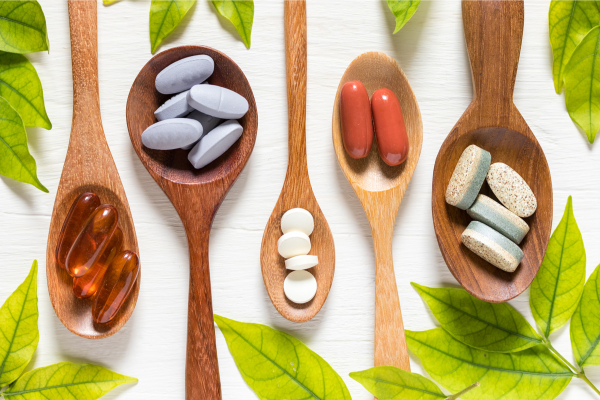 A few commonly recommended options include vitamin D (if your levels are low), vitamin B12 (especially if you are taking Metformin), omega-3s (EPA and DHA), and inositol, which may help with insulin sensitivity and hormone balance. My preferred brand for inositol is Ovasitol. These are foundational supplements, but needs can vary widely from person to person. Focus on building a solid nutrition and lifestyle base first, then consider if targeted supplements may be a helpful addition.
Final Thoughts
Managing PCOS doesn’t mean overhauling your entire life overnight. It means tuning into your body, making gradual changes, and building habits that feel realistic and supportive. You don’t have to follow every tip at once. Choose one or two that feel doable right now and build from there. Small steps truly do lead to big results over time.
Remember, you didn’t cause your PCOS—and there is so much you can do to feel better and take control of your health. With the right information, support, and mindset, it’s absolutely possible to live a healthy, vibrant life with PCOS.
Need Support? I’m Here to Help
You don’t have to navigate PCOS alone. I’ve spent nearly 20 years specializing in PCOS and metabolic health, helping women like you cut through the confusion and finally feel more in control of their bodies. Whether you’re struggling with stubborn symptoms, feeling overwhelmed by conflicting advice, or just want a clear, personalized plan, I can help.
As a Registered Dietitian, Certified Diabetes Care and Education Specialist, and PCOS coach, I combine science-backed strategies with real-life practicality. Together, we’ll create a sustainable approach that works for your body and lifestyle. You’ll learn what truly drives your symptoms and how to support your hormones, insulin, and metabolism, without restriction, guilt, or guesswork.
Here’s how we can work together:
- 1:1 Virtual Coaching: Personalized guidance tailored to your goals, labs, lifestyle, and challenges. Contact me to learn more.
- The PCOS Nutrition & Lifestyle Blueprint: My self-paced online course packed with the tools, knowledge, and support you need to take action*originally published 8.22.2019, updated 8.22.2025
RELATED POSTS


MEET MARTHA

I especially love problem-solving, whether it’s helping women defeat issues plaguing them for years, helping a busy executive find practical ways to get heart healthy, or providing tips to help you reverse diabetes. That’s why I’m on a constant quest to expand my knowledge by staying on top of the latest research.
3 Comments
Leave a Comment

20 Ways To Eat Out 550 Calories or Less!
No time to cook? We’ve got you covered. Here are 20 healthy meals from a variety of cuisines that won’t pack on the pounds. Most of them also have less than 30 grams of carbs.
Subscribe to my newsletter and get this free download.
My husband left me for another woman a few months ago and ever since then my life has been filled with pain and agony because my husband was my first love whom I have spent my entire life with. A friend and also a colleague from work told me he saw some testimonies of a spiritual counselor called Doctor Muna, He can bring back lover within some few days. Ridiculously, I laughed it out and said I am not interested. But for friendship’s sake, she consulted this God sent man on my behalf and to my greatest surprise, Immediately after 12 hours, my husband called me for the very first time for over 7 months saying “I miss you babe and I’m so sorry for everything I made you went through” I couldn’t say a word but cried over the phone and hanged up. We are back together and living Happily together again. To be honest, I still can’t believe it, because it’s highly unbelievable. Thank you DOCTOR MUNA for bringing back my love and also to my SELFLESS FRIEND. Laura, who interceded on my behalf. For anyone who might need help of this wonderful spiritual counselor, here is the email address: marvelspelltemple@gmail.com, Also add him on WhatsApp: +2347035449257
I want to thank Dr Osato for curing me from HSV-2 with his herbal medication. All the symptoms of herpes are completely gone from my body and it’s been over 4yrs now since i got cured from herpes with Dr Osato herbal medicine and my result still shows Negative. My doctor confirmed with me that I am totally cleared from herpes. I just want to let you all know that Dr Osato herbs cures herpes completely from the body and you can contact him for the cure if you are suffering from HIV/AIDS, HERPES-1 & 2, HPV AND CANCER. You can contact Dr Osato on his email: osatoherbalcure@gmail.com or WhatsApp him on +2347051705853 to get the herbal product and get rid of the virus away from your body. Dr Osato is real and a great herbalist who can help you from your illness. His website is osatoherbalcure.wordpress.com
I am out here to speed this good news to the entire world on how I got help from Dr UYI a great lottery spell caster that will help you cast a lottery spell and give you the rightful numbers to win the lottery, I didn’t believe lottery spell at first but as life got harder i decided to give a try, I spend so much money on tickets just to make sure I win. until the day I met Dr UYI online, which so many people have talked good about, that he is very great when it comes to casting lottery spell, he told me the necessary things to do and behold it was like a magic, i won $220 Million Dollars Mega Million with the numbers Dr UYI gave to me. his a really trustful person worthy and reliable, i am sharing this to you who have been finding it so hard to win the lottery, Thanks you Dr UYI who helped me Contact him via email: drzukalottospelltemple@gmail.com OR WhatsApp on +17174154115