Best Ready to Drink Protein Shakes for GLP-1 Users: Dietitian Picks
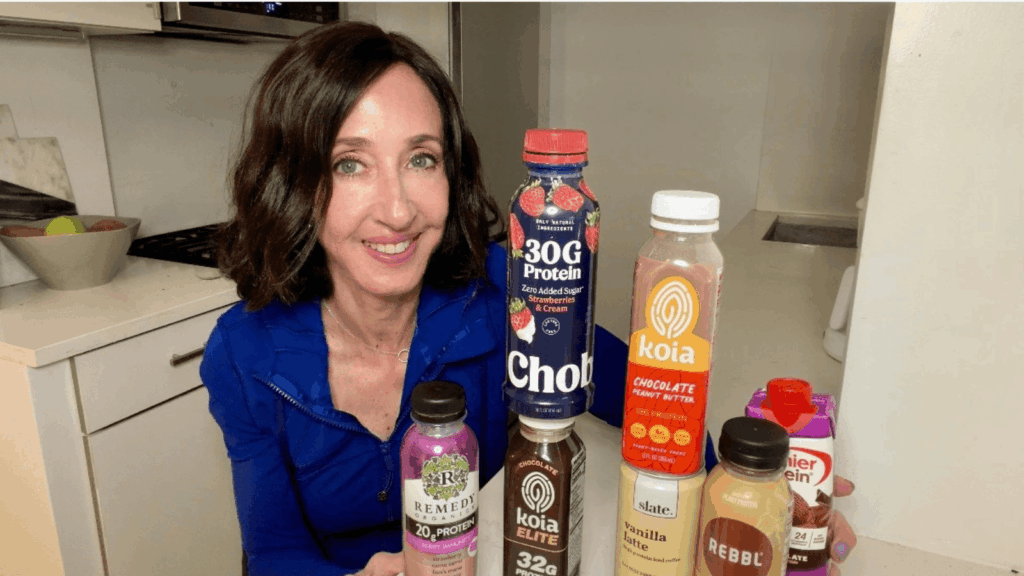
If you are taking a GLP-1 medication, you know protein is important to help prevent muscle loss. But there is one problem. You are just not that hungry. Mornings can be especially challenging. Even the thought of cooking eggs or preparing a full meal can feel overwhelming or even trigger nausea. What if you could get 20 to 30 grams of protein from something quick and easy, with no cooking required? Ready to drink protein shakes can be an easy way to help fill in the gaps.
While I usually recommend a food first approach, there are times when a ready to drink protein shake can be a really helpful option, especially on busy mornings or when you’re just not hungry.
In this post, I will walk you through what to look for in a ready to drink protein shake and share my top dietitian picks.
Why Protein Intake Matters on GLP-1 Medications
One of the main effects of GLP-1 medications is a decrease in appetite. While this can help with weight loss, it can also make it easier to undereat, including not getting enough protein. Protein plays a key role in preserving muscle during weight loss (along with strength training). Without enough protein, some of the weight you lose may come from muscle instead of body fat, which can negatively impact metabolism, strength, and overall health.
Starting your day with protein can make a big difference. After an overnight fast, your body is more likely to break down muscle, so getting protein in earlier helps support maintenance and repair. It can also make it easier to meet your overall protein needs. Many people find that their appetite decreases even more as the day goes on, so waiting until later can make it harder to get enough in.
What to Look for in a Ready to Drink Protein Shake
When choosing a ready to drink protein shake, there are a few things to keep in mind when reading the label.
Protein
Start with protein. Aim for about 20 to 30 grams per serving, since this amount is more likely to help preserve muscle and support your daily needs. Protein can come from sources like whey or milk protein, which are well absorbed, or from plant based options like pea or soy protein. Both can work well, so it often comes down to your preferences and how well you tolerate them.
Added Sugar
Next, look at added sugar. Ideally, choose options with little to no added sugar, generally under about 5 grams. Some drinks are marketed as healthy but contain as much sugar as a dessert, which can add up quickly and impact blood sugar.
Sweeteners
Many protein drinks use non nutritive sweeteners to keep added sugar low. Some contain artificial sweeteners such as sucralose or acesulfame potassium, while others use options like stevia, monk fruit, or allulose. I do not tell people they need to avoid artificial sweeteners, but I do recommend moderation. There is ongoing research suggesting that some may have a negative impact on the gut microbiome and metabolic health, although we still need more data. Personally, I tend to prefer options sweetened with stevia, monk fruit, or allulose, which are often used instead of artificial sweeteners. That said, the best choice is one that you tolerate well and enjoy the taste of.
Added Ingredients and Fiber
You may also notice added ingredients like fiber, probiotics, or vitamins. These can be helpful, but they are not essential. What matters most is the protein content, overall ingredient quality, and how you feel after drinking it.
Some protein drinks contain added fiber such as inulin. This type of fiber can support gut health, but it does not work for everyone. Some people may notice bloating or gas, especially if they are already dealing with digestive issues. If that is the case, switching to a simpler option without added fiber often helps.
Cost
Ready to drink protein shakes typically range from about $2 to $5 per bottle. While higher priced options may use different ingredients, a more expensive shake is not always better. If you plan to use them regularly, the cost can add up. So find one that fits your budget!
Taste
And last but not least is taste. Protein shakes vary a lot, and not all of them are great. Many are too sweet or have that very obvious “protein shake” taste. That said, with so many options available, you’ll likely find one you enjoy. Making your own shake is often your best bet, but this post focuses on ready to drink options.
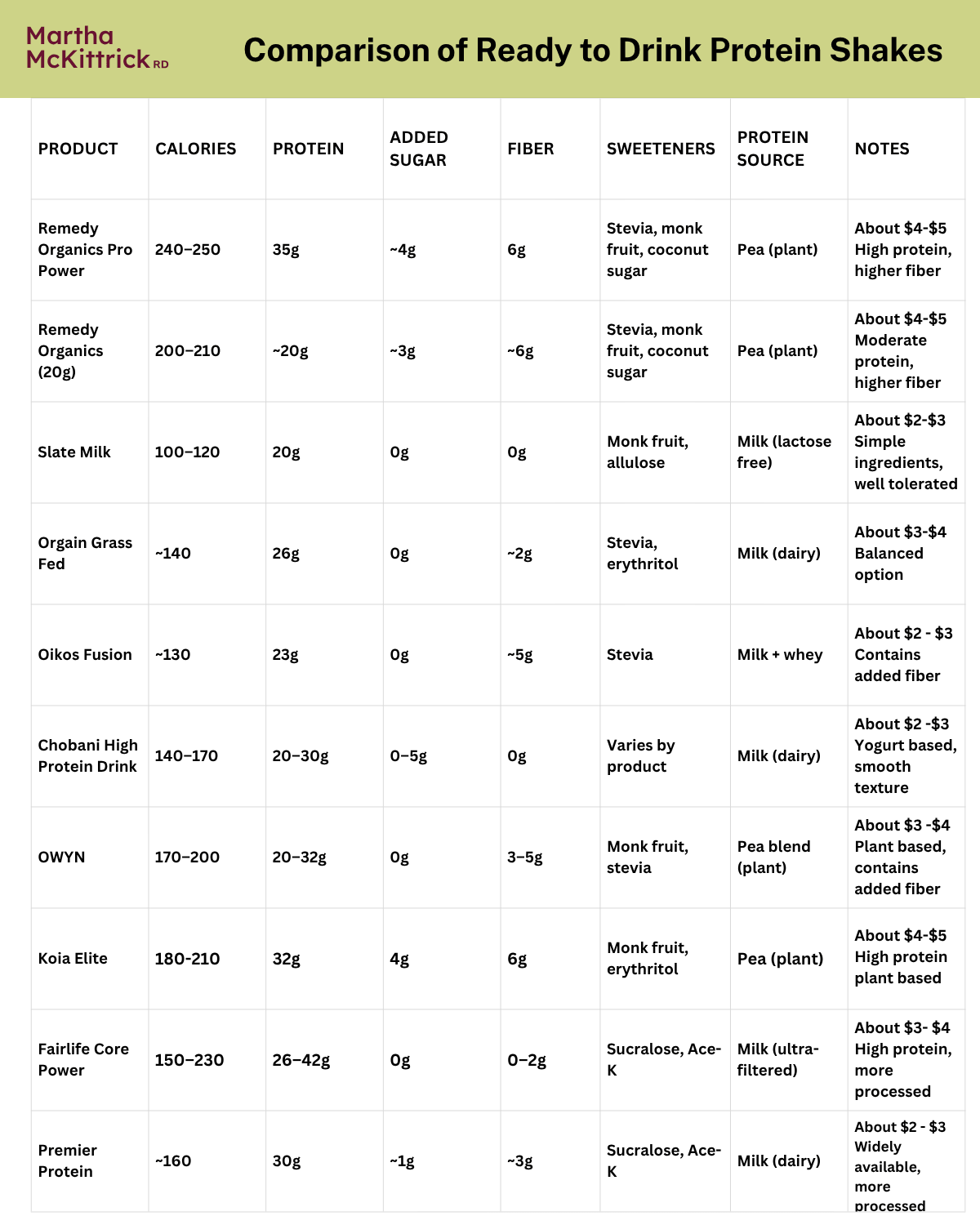
Here’s a quick comparison of some of the most popular ready to drink protein shakes to help you find what works best for you.
Top Ready to Drink Protein Shakes for GLP-1 Users
There are so many ready to drink protein shakes out there that it would be impossible to include them all. These are the ones I tend to find locally and recommend most often. The best choice depends on your preferences, how well you tolerate certain ingredients, and how you plan to use it (as a meal or snack)
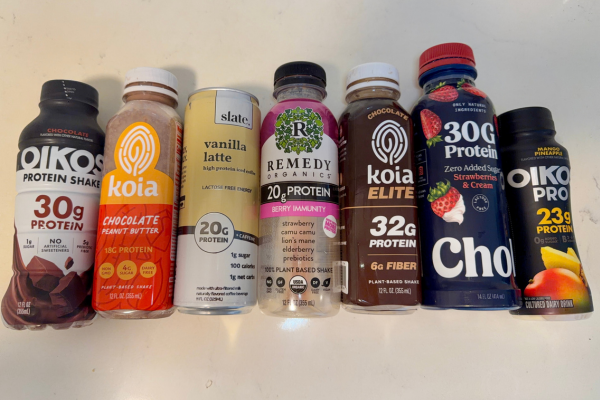
Remedy Organics Pro Power
Calories about 240 to 250
Protein 35 grams
Protein source pea protein
Added sugar about 4 grams
Fiber 6 grams
Sweetener stevia, monk fruit, small amount of coconut sugar
Price about $4 to $5
A higher protein plant based option that can be especially helpful if you are having trouble meeting protein needs. It also includes added fiber and functional ingredients.
My take on taste: Thicker and more filling than most, with a slightly earthy flavor.
Remedy Organics
Calories about 200 to 210
Protein about 20 grams
Protein source pea protein
Added sugar about 3 grams
Fiber 6 grams
Sweetener stevia, monk fruit, small amount of coconut sugar
Price about $4 to $5
A plant based option with more moderate protein. This can work well as a snack or lighter meal, especially if a higher protein shake feels like too much.
My take on taste: This shake is in the Immunity Berries flavor is my favorite! It’s not too sweet and has an interesting flavor.
Slate Milk
Calories about 100 to 120
Protein about 20 grams
Protein source milk protein
Added sugar 0 grams
Fiber 0 grams
Sweetener monk fruit, allulose
Price about $2 to $3
No added sugar. Lactose free, and many flavors contain caffeine, so be sure to read the label.
My take on taste: Very clean and not overly sweet. One of the easiest to drink.
Orgain 26g Grass Fed
Calories about 140
Protein 26 grams
Protein source milk protein
Added sugar 0 grams
Fiber about 2 grams
Sweetener stevia, erythritol
Price about $3 to $4
Made with grass fed dairy and no added sugar. Uses organic ingredients, but does contain sugar alcohols, which may not work for everyone.
My take on taste: Slightly sweeter than some of the others, but still very easy to drink.
Oikos Fusion
Calories about 130
Protein 23 grams
Protein source milk protein and whey
Added sugar 0 grams
Fiber about 5 grams
Sweetener stevia
Price about $2 to $3
A dairy based option with no added sugar and a good amount of protein.
My take on taste: Very smooth and creamy, similar to a drinkable yogurt.
Chobani High Protein Yogurt Drink
Calories about 140 to 170
Protein 20 to 30 grams
Protein source milk protein
Added sugar 0 to about 5 grams (varies by flavor)
Fiber 0 grams
Sweetener depends on version
Price about $2 to $3
A dairy based option that feels more like a traditional food than a typical protein shake. Smooth and creamy, with a more yogurt-like texture.
My take on taste: More of a true yogurt flavor. Slightly tangy and very smooth, especially if you enjoy Greek yogurt
Chobani (30g Protein Shake)
Calories: 220–230
Protein: 30g
Protein source: milk protein
Added sugar: 0g
Fiber: 0 grams
Sweeteners: Stevia, monk fruit
Price: About $2–$3
Higher protein for a yogurt-based drink with no added sugar.
My take on taste: Tangy, tastes like drinkable yogurt but has a very sweet taste.
OWYN
Calories about 170 to 200
Protein 20 grams, up to 32 grams in Pro Elite
Protein source pea protein blend
Added sugar 0 grams
Fiber about 3 to 5 grams
Sweetener monk fruit, stevia
Price about $3 to $4
A great plant based option, especially if you are avoiding dairy.
My take on taste: Slightly thicker than dairy based shakes, but still easy to drink. Has the typical protein shake taste but definitely drinkable.
Koia Elite
Calories about 180 to 210
Protein about 32 grams
Protein source pea protein
Added sugar about 4 grams
Fiber about 6 grams
Sweetener monk fruit
Price about $4 to $5
A higher protein plant based option that can better support your protein needs.
My take on taste: Slightly thicker than the original, but still smooth and easy to drink. Not overly sweet.
Oikos Pro (23g Protein Drink)
Calories about 120 to 140
Protein 23 grams
Protein source milk protein and whey
Added sugar 0 grams
Fiber 0 grams
Sweetener stevia
Price about $2 to $3
A lighter dairy based option that is more like a drinkable yogurt than a traditional protein shake.
My take on taste: Smooth and easy to drink with a mild yogurt flavor. Less filling than most shakes.
Convenient High Protein Drinks When You Need Something Quick
There will likely be times when you are not at a grocery store (like Whole Foods) and need something fast, like at a gas station, airport, or convenience store. In those situations, there are plenty of ready to drink options available, including Quest, Fairlife Core Power, Premier Protein, and Lean Body. These are widely available and typically provide about 25 to 40 grams of protein.
They do tend to be more processed and often include artificial sweeteners like sucralose or Ace-K. Most people tolerate these well, although some prefer to limit them. If the choice is between skipping protein or grabbing one of these, they can absolutely be a convenient option.
You might still have a few questions, so let’s go through some of the most common ones I hear.
Frequently Asked Questions About Protein Shakes and GLP-1 Medications

How much protein do I need on a GLP-1 medication?
Most people benefit from aiming for about 20 to 30 grams of protein per meal, but your exact needs will depend on your body size, activity level, and goals. If you are not eating much due to reduced appetite, prioritizing protein becomes even more important to help preserve muscle. Read my blog post on How Much Protein Do You Need a Day to get more details.
Are protein shakes necessary on GLP-1 medications?
Not necessarily, but they can be very helpful. If you are able to meet your protein needs through whole foods, that is great. That said, many people on GLP-1 medications struggle with appetite, and protein shakes can be an easy way to fill in the gaps.
Can I use a protein shake as a meal replacement?
It depends. Some protein shakes can work as a light meal, especially if they contain enough protein and calories. In many cases, it helps to pair your shake with something else, like fruit, nuts, or whole grain toast, to make it more balanced and satisfying.
What is the best protein shake for GLP-1 users?
There is no one best option. The right choice depends on your preferences, how you tolerate certain ingredients, and your overall nutrition needs. In general, look for a shake with about 20 to 30 grams of protein, minimal added sugar, and ingredients that sit well with you.
Do protein shakes help prevent muscle loss on GLP-1 medications?
They can help, especially if they make it easier for you to get enough total protein throughout the day. Maintaining muscle also depends on factors like strength training and overall calorie intake, but protein is a key piece of the puzzle.
Are artificial sweeteners in protein shakes safe?
Artificial sweeteners are commonly used to keep sugar content low and are considered safe by the FDA. Some people choose to limit them based on personal preference or taste..
Why do some protein shakes cause bloating?
This can be due to added ingredients like inulin, sugar alcohols, or certain types of protein. Everyone’s tolerance is different. If you notice symptoms, switching to a simpler option with fewer added ingredients often helps.
Final Thoughts
While I am always a big believer in a food first approach, this is one of those situations where convenience really matters. If you are taking a GLP-1 medication and not feeling hungry, getting enough protein can be a challenge. And this is where protein shakes can be really helpful.
There is no shame in relying on a protein shake, especially on those mornings when food does not sound appealing or you just need something quick and easy. The goal is not perfection. It is making sure your body is getting what it needs. Sometimes that looks like a balanced meal. Sometimes it looks like a protein shake. Both can support your health.
If you are on a GLP-1 medication and not sure how to eat in a way that supports your metabolism, energy, and muscle, I can help you figure out what works best for you. I will help you create a plan that feels realistic, flexible, and easy to stick with. You can learn more about working with me here
RELATED POSTS


MEET MARTHA

I especially love problem-solving, whether it’s helping women defeat issues plaguing them for years, helping a busy executive find practical ways to get heart healthy, or providing tips to help you reverse diabetes. That’s why I’m on a constant quest to expand my knowledge by staying on top of the latest research.
1 Comment
Leave a Comment
20 Ways To Eat Out 550 Calories or Less!
No time to cook? We’ve got you covered. Here are 20 healthy meals from a variety of cuisines that won’t pack on the pounds. Most of them also have less than 30 grams of carbs.
Subscribe to my newsletter and get this free download.
I have been suffering from Herpes for the past 1 years and 8 months, and ever since then I have been taking series of treatment but there was no improvement until I came across testimonies of Dr. Silver on how he has been curing different people from different diseases all over the world, then I contacted him as well. After our conversation he sent me the medicine which I took according to his instructions. When I was done taking the herbal medicine I went for a medical checkup and to my greatest surprise I was cured from Herpes. My heart is so filled with joy. If you are suffering from Herpes or any other disease you can contact Dr. Silver today on this Email address: drsilverhealingtemple@gmail.com