Your Thyroid, Diet and Health
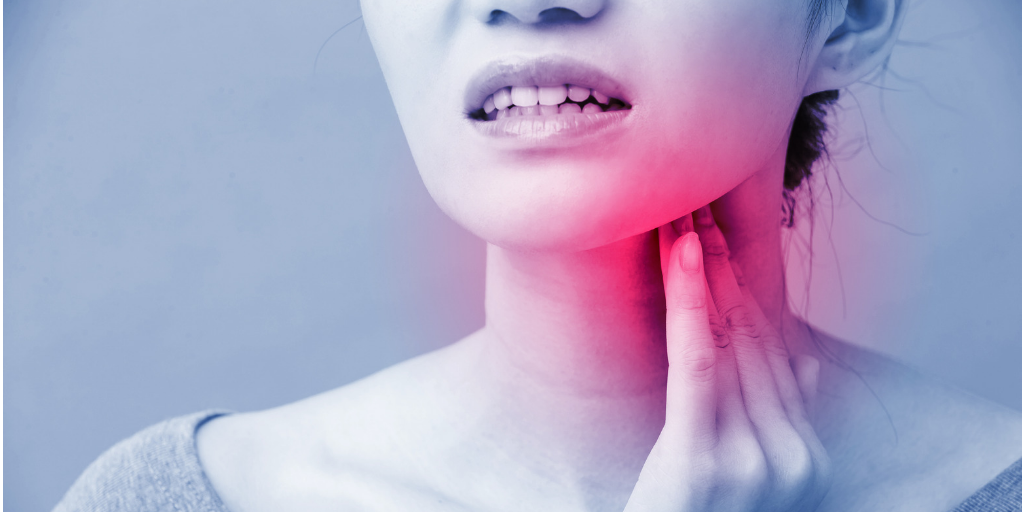
Are you feeling sluggish, constipated, depressed or having difficulty losing weight? Or maybe you have trouble sleeping, feel anxious or have dry hair and skin? Your thyroid may be the culprit! This gland affects numerous processes in the body so even if it’s slightly off, you may experience a myriad of symptoms. And if you’ve been diagnosed with a thyroid condition, your diet can have an effect on your thyroid health as well as interact with your thyroid medications. Read Sarah Adler’s guest blog post to learn about your thyroid, diet and health including common thyroid problems, symptoms and dietary recommendations for thyroid health. And FYI … most weight problems are NOT due to a sluggish thyroid (though they can be!)
Thyroid 101
Your thyroid may be small (think size and shape of a butterfly!), but it’s a very powerful part of your body. Located in your lower neck, the thyroid gland is responsible for your body’s metabolic processes by manufacturing and releasing two primary hormones – T3 and T4. When you have a healthy thyroid, the T3 and T4 hormones travel through your bloodstream and help cells get energy from the food you eat (that’s what metabolic processes mean). Thyroid hormones also  regulate your body temperature and blood calcium levels, which help with growth and development. Unfortunately, many Americans, have thyroids that produce abnormal amounts of T3 and T4, which cause an array of health issues.
Here are some common thyroid conditions:
- Hypothyroidism
Hashimoto’s disease is an example of one of those health issues and occurs when there is not enough T3 and T4 produced in the body. Hashimoto’s disease is also known as chronic lymphatic thyroiditis and is the most common cause of hypothyroidism (under-active thyroid) in the United States. It can develop at any age, but is most common in middle-age women. Hashimoto’s occurs when the body’s immune system attacks and slowly destroys the thyroid gland and its capacity to produce hormone (hence the decreased T3 and T4 levels). Symptoms of Hashimoto’s disease and hypothyroidism include:
Fatigue
Sleepiness
Depression
Constipation
Weight gain
Dry skin and/or hair
Heavy and irregular menstruation
Intolerance to cold
Enlarged thyroid (goiter) - Hyperthyroidism
Graves’ disease occurs when there is too much T3 and T4 produced in the body and is the most common cause of hyperthyroidism (over-active thyroid). Like Hashimoto’s disease, Graves’ is an autoimmune disorder and arises when the body’s immune system mistakenly attacks the thyroid gland, causing it to overproduce the hormone responsible for regulating metabolism. The disease is hereditary and may develop at any age in both men and women, but is more commonly in women. Other risk factors are stress, pregnancy, and smoking. Symptoms of Graves’ disease and hyperthyroidism include: (pic credit)
Anxiety
Irritability
Fatigue
Increased or irregular heartbeat
Excessive sweating
Difficulty sleeping
Weight loss
Diarrhea
Altered menstrual cycle
Enlarged thyroid (goiter) - Goiter is a noncancerous enlargement of the thyroid gland. The most common cause of the goiter worldwide is iodine deficiency. In the United States, where iodized salt provides plenty of iodine, goiter is often caused by (and a symptom of) hyperthyroidism. However, because Americans are now more concerned with their sodium intake than ever before, its use is declining along with iodine, and iodine deficiency is slowly on the rise. Goiters can affect anyone at any age, especially in area of the world where foods rich in iodine are in short supply. But, like other thyroid diseases, goiters are more common after the age of 50 and in women. Other risk factors include family medical history, certain medications, pregnancy, and radiation exposure. The presence of symptoms largely depends on the severity of the goiter. If the thyroid grows large enough, it may cause one of the following symptoms:
Swelling/tightness in the neck
Breathing and/or swallowing difficulties
Coughing or wheezing
Hoarseness - Thyroid nodules, similar to goiters, are growths that form on or in the thyroid gland. The causes are not always known but can include iodine deficiency and Hashimoto’s disease (hypothyroidism). The nodules can be solid or fluid-filled. Most thyroid nodules are benign, but they can also be cancerous in a small percentage of cases. As with other thyroid-related problems, nodules are more common in women than men, and the risk in both sexes increases with age. Most thyroid nodules do not cause any symptoms. However, if they grow large enough, they can cause swelling in the neck and lead to breathing and swallowing difficulties, pain, and goiters.
*Some nodules produce thyroid hormone (T3 and T4), causing abnormally high levels in the bloodstream. When this happens, symptoms are similar to those of hyperthyroidism and can include:
High pulse rate
Nervousness
Increased appetite
Weight loss
Clammy skin *On the other hand, if the nodules are associated with Hashimoto’s disease, symptoms will be similar to those associated with hypothyroidism and can include:
Fatigue
Weight gain
Hair loss
Dry skin
Cold intolerance
Your thyroid, diet and health
- Nutrients for thyroid health
Just like other health conditions, certain nutrients can have a positive effect on thyroid health. Try to include the following nutrients in your diet:-Iodine can only be absorbed by the cells in your thyroid, which then use it to make the T3 and T4 hormones. When your diet is inadequate in iodine, your thyroid cannot produce enough T3 and T4 to help your body function optimally. Iodine is most commonly found in table salt, but can be incorporated into the diet through other ways – sea vegetables like hijiki, wakame, arame, dulse, nori, and kombu all contain iodine naturally. Like many other foods, a healthy balance is truly key because too much iodine can trigger thyroid problems and worsen symptoms.-Selenium is critical for proper functioning of the thyroid gland and is used to produce and regulate the T3 hormone. Selenium is found in shrimp, snapper, tuna, cod, halibut, calf’s liver, button and shitake mushrooms, and Brazil nuts.-Zinc, Iron, and Copper are needed in small doses for healthy thyroid function. Low levels of zinc have been linked to low levels of thyroid stimulating hormone (TSH), whereas iron deficiency has been correlated with decreased thyroid efficiency. Copper is also necessary for the production of thyroid hormones. Calf’s liver, spinach, mushroom, turnip greens, and Swiss chard will give you just enough of these minerals in your diet!-Omega-3 fatty acids are the nutrients that keep on giving! These famous fats play an important role in thyroid function and may help your cells become sensitive to thyroid hormones. As you know, fish, fish oils, and flaxseeds are great sources of omega-3s.
-Coconut oil is different from your go-to olive oil because it is made up of medium-chain triglycerides (MCTs). MCTs are more easily digested than other fatty acids and therefore help to increase metabolism and weight loss. Coconut oil also provides other thyroid benefits and is especially beneficial for those with hypothyroidism.
-The antioxidant vitamins, A, C, and E can help your body fight off oxidative stress that may damage the thyroid, while B vitamins manufacture thyroid hormone and play an essential part in healthy thyroid function. Vitamin A is commonly found in vegetables that are red, orange, and yellow in color, like sweet potatoes, peppers, and carrots, while fruits (berries, citrus fruits, and melons) tend to provide the highest sources of vitamin C. Those same foods that are the greatest sources of heart-healthy fats – nuts, seeds, and vegetable oils – are also the best food sources of vitamin E. B vitamins are found in a broad range of foods, including animal products, fortified cereals and breads, and green leafy vegetables. Selenium is also an antioxidant! See above for its need in thyroid function and food sources.
*It’s recommended that you try meet your nutrient needs with food versus supplements - Nutrients potentially harmful to the thyroid
Just like there are foods that should be eaten because they can help your thyroid function, so too are there foods that should be limited because they may harm your thyroid function. However this doesn’t mean you avoid these foods if you don’t have a thyroid condition!-Aspartame is an artificial sweetener found in many food products, like Diet Coke. There is concern that aspartame may trigger Graves’ disease and other autoimmune disorders in some people. The artificial chemical may set off an immune reaction that causes thyroid inflammation and thyroid autoantibody (which fights foreign objects) production.-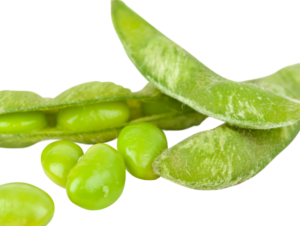 Soy is high in isoflavones, which are goitrogens, and may interfere with the function of your thyroid gland. Soy, including soybean oil, soy milk, soy burger, tofu, and other processed soy foods may lead to decreased thyroid function. Fermented soy productions, including miso, natto, tempeh, and soy sauce are safe to eat since the fermentation process reduces the goitrogenic activity of the isoflavones.-Goitrogens are substances naturally found in foods that can cause the thyroid to enlarge (i.e. a goiter). Goitrogenic foods can also function like an antithyroid drug and actually slow down the thyroid and make it underactive (hypothyroidism). Rumored goitrogenic foods include soy, gluten, and some cruciferous vegetables. (Pic credit and article on goitrogens worth reading)
-Gluten is also a potential goitrogen and can trigger the autoimmune response (Hashimoto’s thyroiditis) in people who have Celiac Disease or are gluten sensitive. Gluten is found in wheat, rye, and barley along with most processed foods.
–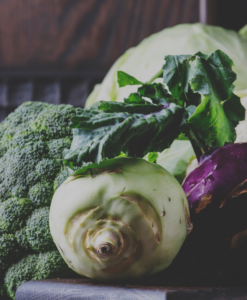 Cruciferous vegetables, like broccoli, cauliflower, cabbage, and Brussels sprouts, contain goitrogenic compounds called isothiocyanates. While it’s true that large amounts could interfere with thyroid function, especially if eaten raw, these veggies offer a myriad of other health benefits that make the good outweigh the bad for most people. If you know you have a thyroid imbalance and want to be especially careful, steaming these vegetables will negate the goitrogenic effect, making them a healthy addition to your diet.
Dietary interactions with thyroid medications
While diet modifications are essential in managing thyroid disorders, they need to complement thyroid medications in order to be most effective. Thyroid medications are used to reverse the symptoms of the disease and must be taken properly. Many thyroid medications are to be taken once a day (preferably in the morning) on an empty stomach, at least one-half hour to one hour before eating any food to allow for maximum absorption. Additionally, there are multiple food-drug interactions that you should be aware of.
- I know it’s hard to say no to coffee first thing when you wake up, but you shouldn’t drink coffee until about an hour after you’ve taken your thyroid
hormone replacement medication (which should be taken in the AM on an empty stomach). Otherwise, coffee can affect absorption and make your thyroid medication less effective - Fiber is a great addition to your diet if you have an underactive thyroid and are constipated, but it can bind to medications and inhibit absorption. Therefore, it’s important to be consistent with the amount of fiber you consume each day. If you start or stop eating a high-fiber diet, you should speak with your doctor and get your thyroid rechecked
- Iron supplements, calcium supplements, calcium-fortified orange juice, and antacids can all interfere with and inhibit thyroid hormone absorption if taken too close together. Experts recommend taking these supplements at least 2-3 hours apart from thyroid hormone so that absorption is not affected.
Martha’s note: if you suspect you have symptoms consistent with a thyroid condition, see your doctor to get your levels checked.
I’d like to thank Sarah Adler for writing this guest post. Sarah is a young aspiring registered dietitian in New York City. She recently graduated from New York University, where she received her Bachelor of Science in Nutrition and Dietetics, and will soon begin her Dietetic Internship at New York-Presbyterian Hospital. When Sarah is not immersed in her nutrition studies (which is a rare occurrence), she enjoys writing, testing out new recipes, educating others, practicing yoga, and traveling around the world! Stay tuned … you’ll be seeing more of Sarah’s articles in the next few months! Read Sarah’s other great post on Flax, Chia or Hemp Seeds: Which are Healthier?
References:
RELATED POSTS



MEET MARTHA

I especially love problem-solving, whether it’s helping women defeat issues plaguing them for years, helping a busy executive find practical ways to get heart healthy, or providing tips to help you reverse diabetes. That’s why I’m on a constant quest to expand my knowledge by staying on top of the latest research.
20 Ways To Eat Out 550 Calories or Less!
No time to cook? We’ve got you covered. Here are 20 healthy meals from a variety of cuisines that won’t pack on the pounds. Most of them also have less than 30 grams of carbs.
Subscribe to my newsletter and get this free download.