Tips for Your Family’s Health

March is National Nutrition Month. Take this month to focus on your eating habits and health! I’ll be posting more articles than usual to give you helpful tips. Check out today’s post on Tips for Your Family’s Health (taken from RD411) – it contains over 30 quick tips! Read more …
Sensible snacking
Encourage your children to eat more fruits and vegetables by setting an example! Have carrots  and celery or cut-up fruit readily available for the family to snack on.
A low-calorie snack
Half a large pepper offers you a full day’s worth of vitamin C. Munch on a pepper, just as you would on an apple, for a delicious, low-calorie snack. (pic: healthdiaries.com)
Cherries for your health
Cherries are a great choice, whether fresh or dried.They are rich in fiber and vitamin C, and are associated with heart health and reducing the risk of cancer. Cherries also are rich in melatonin, which may help with sleep!
More fruits and veggies
Frozen fruits and vegetables are just as nutritious as fresh. Toss carrots, broccoli, or corn into canned soup, or make a fruit smoothie for a quick, delicious breakfast.
Fiber for digestive health
Eating a variety of fruits and vegetables gives you fiber that keeps your digestive tract healthy and helps protect against diseases such as diverticulosis.
The benefits of blue and purple
All fruits and vegetables from the blue and purple color family contain flavonoids, the most powerful phytochemicals found in nature. Phytochemicals decrease one’s risk of cancer, osteoporosis, cardiovascular disease, and much more!
Carbohydrate facts
Excess calories are fattening, carbohydrates are not.
Choose your fat wisely
Limit your intake of “hard” fat, such as lard and butter, and use more “soft” fat, such as olive oil and canola oil.
Hunger help
Fiber-rich breads, cereals, and pastas curb your hunger. They also help with weight management.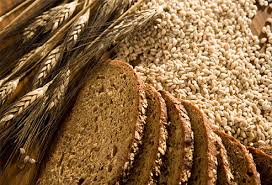
Whole-grain goodness
Brown rice, whole-wheat bread, and whole-wheat crackers contain more B vitamins, potassium, and fiber than processed white varieties. (thefoodenquirer.com)
Restaurant advice
When dining out, ask for whole-grain foods! Some Italian restaurants offer whole-wheat pasta or pizza crusts. Ask for brown rice at Asian restaurants.
Labels tell it all
A dark-colored bread does not mean it is a whole-wheat bread. Take a look at the ingredients. Look for the words “whole grain” first in the list.
Colorful vegetables
Dark, colorful vegetables, such as broccoli, peppers, tomatoes, and carrots, are more nutrient dense than pale cucumbers, mushrooms, and celery.
Early to bed
Get some rest. Your body recovers and repairs while you are sleeping. Sleep also can affect your weight and mood. (fittalknews.com)
A perfect start to the day
Start your day off right with oatmeal, an excellent source of whole grains. Spruce your oatmeal up with some cranberries, apples, and nuts!
Which cereal to choose
When choosing cereal, look for those that contain at least 3 grams (g) fiber/serving, no more than 6 g sugar/serving, and no trans fat.
The fewer, the better
When it comes to choosing meat, the fewer the legs, the better. Chicken has two legs, thus it is a better option than pork, which has four legs.
Fish for omega-3s
Fish contain significant amounts of healthy omega-3 fatty acids that promote heart health. When purchasing fish, buy domestic, wild varieties and stay current on the latest news.
Food budget basics
You can eat a healthy diet without destroying your food budget by planning your weekly meals before you shop and sticking to your list. Buy nonperishable foods in bulk. Leave the kids at home, if possible. Never shop on an empty stomach.
Nutrient-dense whole foods are best
Supplements are incomplete substitutes for nutrient-dense, whole foods. Grown from the ground up, real food offers a full spectrum of vitamins, minerals, protein, and phytochemicals that work together in your body.
Ready-to-go lunch
Pack your lunch the night before. This way you can easily “grab and go” in the morning and  avoid eating fast-food or a highly processed, fattening meal in a box.
Vending machine alternatives
Stock your desk drawer with trail mix, whole-grain crackers, fruit cups, and reduced-sodium soups to satisfy your cravings and to keep you away from the vending machine.
Healthy additions
If you prepare processed foods, make them better. Add broccoli, peas, spinach, beans, lean meat, or low-sodium sauce to create a more nutritionally balanced meal and to stretch the product.
100-calories/day
If you cut 100 calories from your daily food intake, you could lose 10 lb/year. It is as simple as skipping the cheese on your burger, choosing carbonated fruit-flavored water instead of a regular soda, or substituting pork sausage with turkey sausage.
The power of phytochemicals
Phytochemicals are a key component of foods. These tiny compounds help to prevent certain chronic diseases, such as cancer and heart disease.
Digestive health
Probiotics, found in many yogurts, are likely to help improve gut health, but they are not a “cure” for digestive problems. Fluid consumption, total fiber intake, physical activity, and stress reduction also are important for a healthy digestive tract.
Empty calories
Soda provides calories and carbohydrate, but has little or no nutritional value. To burn off the 250 calories in a 20-fluid-ounce soda, a 135-pound (lb) person would need to play 40 minutes of vigorous basketball or bicycle vigorously for 22 minutes. Instead of soda, choose water, tea, low-fat milk, or 100% juice.
Heart-healthy advice
To manage blood pressure and protect your heart, strive to maintain a healthy weight, exercise regularly, reduce your salt intake, quit smoking (if you smoke), and manage your stress levels.
Osteoporosis prevention
Lifelong, healthy habits can help reduce your risk of developing osteoporosis. Eat calcium-rich foods to build strong bones and maintain bone density. Exercise regularly. Monitor your salt intake.
A better juice
Get more calcium by switching from regular fruit juice to a calcium-fortified 100% juice, but watch your serving size. The calories from juice can add up fast!
Germ warning
Did you know that the average in-sink garbage disposal contains about 1000 times more germs than the average toilet? At least once a week, clean the rubber stopper with a diluted bleach solution to avoid contamination.
Food safety
To prevent cross contamination, refrigerate or freeze foods as soon as you return from the grocery store. Place meats below the produce in the refrigerator. Use separate cutting boards for meats and produce. When cooking, wash hands in hot water frequently.
This article was taken from RD411. All the articles are written by registered dietitians and it’s the site where health professionals go for information. For more information on National Nutrition Month, check out the American Dietetic Association’s site – eatright.org.
RELATED POSTS

MEET MARTHA

I especially love problem-solving, whether it’s helping women defeat issues plaguing them for years, helping a busy executive find practical ways to get heart healthy, or providing tips to help you reverse diabetes. That’s why I’m on a constant quest to expand my knowledge by staying on top of the latest research.

20 Ways To Eat Out 550 Calories or Less!
No time to cook? We’ve got you covered. Here are 20 healthy meals from a variety of cuisines that won’t pack on the pounds. Most of them also have less than 30 grams of carbs.
Subscribe to my newsletter and get this free download.