Seven Tips to a Healthy Aging Brain

Do you sometimes feel like your brain is not quite as sharp as it used to be? Maybe you are forgetting names more often, struggling to focus, or just feeling mentally foggy. If so, you are not alone, and it is not just “in your head”.
As we age, it is normal to experience some changes in memory, attention, and processing speed. While age and genetics are unchangeable, many other powerful drivers of brain aging such as insulin resistance, high blood pressure, and chronic inflammation can be influenced by daily habits.
The good news is that how you eat, move, sleep, and manage stress can help protect your brain and even improve its function over time. This blog provides seven science-backed tips to support cognitive function, reduce dementia risk, and help your brain stay sharp as you age.
What Happens to Our Brain as We Age?
Some cognitive changes are a normal part of aging, but brain aging is more complex and more modifiable than many people realize.
As we get older, certain areas of the brain involved in memory, focus, and processing speed may gradually change. This can make it harder to recall names, multitask, or learn new information as quickly as before.
At the same time, blood flow and nutrient delivery to the brain can decline, affecting how well brain cells function and repair themselves. Research also shows that metabolic factors such as insulin resistance, chronic inflammation, and high blood pressure play a major role in brain aging by damaging blood vessels and increasing oxidative stress.
The key takeaway is that brain health is closely tied to metabolic health.
While age and genetics matter, many drivers of cognitive decline are influenced by daily habits, especially how you eat, move, sleep, and manage stress.
Many of my clients are caring for aging parents and seeing firsthand how cognitive decline affects independence and quality of life. That often leads to the same question. What can I do now to protect my brain as I age?
The good news is that there are clear, science backed steps you can take, and the earlier you start, the more powerful the impact.
How to Support a Healthy Aging Brain
These are the same seven strategies I often walk through with clients who want to stay sharp, focused, and independent well into their later years. Start with one or two, and build from there.
- Move Your Body, Strengthen Your Mind
Exercise is not just good for your heart and muscles. It is one of the most powerful ways to support a healthy, aging brain.
Research shows that regular movement improves blood flow to the brain, supports the growth of new neural connections, and boosts levels of brain-derived neurotrophic factor (BDNF), a protein that helps protect brain cells and support memory and learning. Even more exciting, different types of exercise benefit the  brain in different ways—so a well-rounded routine really does pay off.
- Aerobic activity, such as brisk walking, swimming, cycling, or dancing, increases the size of the hippocampus (the part of the brain involved in memory) and improves attention and processing speed. Just 30 minutes a day, most days of the week, can make a measurable difference. Even moderate-intensity cardio—especially in the “zone 2” range—has been shown to enhance mitochondrial health, which is vital for brain energy and long-term cognitive performance.
- Strength training also plays a key role. Lifting weights or using resistance bands helps preserve muscle mass, but it also supports cognitive functions like memory and decision-making. Building and maintaining strength—especially in the legs—is associated with better mobility, balance, and brain resilience in older adults. Some research even suggests resistance training may help reduce brain inflammation and support better blood sugar control, both key for long-term brain health.
- Mind-body practices like yoga or tai chi should not be overlooked. These gentle movements combine physical activity with mindfulness, breath control, and coordination, all of which may help reduce stress, enhance mood, and protect against cognitive decline.
My clients often ask me, “What is the best type of exercise for brain health and longevity?” My answer is simple: the one you will actually do. There is no need for perfection or extreme routines. Start where you are. That might mean walking your dog every morning, doing a short strength workout at home, or trying a gentle yoga video online.
The key is consistency, not intensity. Over time, you can build variety into your routine—but first, just get moving in a way that feels doable and enjoyable.
2. Follow a Brain-Boosting Diet
There is no one best “brain diet” that works for everyone. However what we eat plays a powerful role in protecting cognitive function, especially through its impact on overall metabolic health.
A healthy diet helps manage insulin resistance, blood sugar, high blood pressure, cholesterol, and inflammation, which are major risk factors for cognitive decline.
 One of the most well-studied approaches is the MIND diet, which blends the Mediterranean and DASH diets. Research shows it may slow cognitive decline and reduce the risk of Alzheimer’s disease, particularly when followed long-term.
Core components of the MIND diet:
- Leafy greens and other vegetables daily
- Berries several times per week
- Whole grains, beans, nuts, and seeds
- Fatty fish and poultry
- Olive oil as the main cooking fat
- Optional: a glass of red wine if you already drink alcohol. However more recent research suggests even moderate drinking may increase dementia risk in some individuals. If you choose to drink, do so in moderation!
It also limits processed meats, refined carbs, fried foods, and added sugars—all of which may promote inflammation and oxidative stress in the brain.
In addition to supporting metabolic markers like blood sugar, blood pressure, and cholesterol, these foods are rich in antioxidants, fiber, omega-3s, and plant compounds that help fight inflammation and oxidative stress—two major contributors to brain aging. They also support a healthy gut microbiome, which plays a surprising role in brain health by influencing mood, memory, and inflammation levels through the gut-brain axis.
While the quality of food matters most, calorie balance also plays a role in brain health. I don’t mean to be the calorie police, but consistently eating more than your body needs, especially from ultra-processed foods, can lead to weight gain, insulin resistance, and low-grade inflammation. These are all linked to cognitive decline over time. You do not need to count every calorie, but tuning into your hunger, fullness, and portion sizes can be helpful.
- Support Metabolic & Vascular Health
When people think about brain health, they do not always think about blood sugar or blood pressure—but they absolutely should. Your brain relies on a steady supply of oxygen and nutrients, delivered through a dense network of blood vessels. When those vessels are damaged by high blood pressure, insulin resistance, or chronic inflammation, brain function can suffer.
In fact, growing research links conditions like type 2 diabetes and insulin resistance to a higher risk of Alzheimer’s disease and other forms of dementia. Some experts even refer to Alzheimer’s as “type 3 diabetes” because of how closely it is tied to impaired glucose metabolism in the brain.
As a Certified Diabetes Care and Education Specialist, I have seen firsthand how improving metabolic health can positively impact energy, mood, and focus.
Another emerging factor to consider is oral health. Chronic gum disease has been associated with a higher risk of cognitive decline, possibly due to systemic inflammation or harmful bacteria entering the bloodstream and affecting the brain. Regular brushing, flossing, and dental cleanings are simple but often overlooked ways to support both brain and cardiovascular health.
The good news is that many of the same habits that support brain health also help regulate blood sugar and blood pressure. This includes eating more fiber-rich, anti-inflammatory foods, moving regularly, managing stress, staying hydrated, and getting enough quality sleep.
It is also important to work with your healthcare provider to monitor key markers like fasting glucose, A1C, blood pressure, and cholesterol, especially if you have a family history of diabetes or heart disease.
- Prioritize Quality Sleep
Sleep is more than just rest. It is one of the most powerful tools for brain repair and long-term cognitive health.
During deep sleep, your brain activates a cleansing process through the glymphatic system. This system increases the flow of cerebrospinal fluid, which helps flush out waste products like beta-amyloid and tau proteins—the same compounds that build up in Alzheimer’s disease. One researcher described it as the brain’s rinse cycle. I like to think of it as a dishwasher for your neurons. That visual always sticks with me and it is one reason I emphasize sleep so often in my work.
 Over time, poor sleep quality is linked to memory loss, slower thinking, mood changes, and a higher risk of cognitive decline. It can also worsen insulin resistance and increase inflammation—two key drivers of brain aging.
Here are a few practical ways to support better sleep:
- Keep a consistent sleep and wake schedule, even on weekends
- Avoid large meals, alcohol, or caffeine later in the day
- Make your bedroom cool, dark, and quiet
- Limit screen time at night and dim the lights after sunset
- Create a calming wind-down routine like reading, gentle stretching, or deep breathing
If you are not sleeping well, it is worth exploring whether stress, blood sugar imbalances, sleep apnea, or bedtime habits might be playing a role. Even small changes to your evening routine can make a big difference over time.
- Manage Stress Effectively
We often think of stress as something that affects our mood or energy levels, but it also has a major impact on brain health. When stress becomes chronic, it can change the structure and function of the brain—especially areas involved in memory and decision-making.
Long-term stress raises levels of the hormone cortisol, which has been linked to brain fog, impaired memory, and even shrinkage of the hippocampus, a key brain region involved in learning and emotion. Over time, unrelenting stress can increase the risk of cognitive decline.
That is why building stress management into your daily life is so important. The goal is not to eliminate stress entirely, but to build resilience and recovery into your routine.
Here are a few practices that support both mental clarity and emotional well-being:
• Mindfulness or meditation, even just five minutes a day
• Breathwork or deep breathing exercises
• Gentle yoga or stretching
• Journaling or creative outlets
• Spending time in nature or with pets
• Limiting news and screen exposure when it feels overwhelming
You do not have to do all of these at once. Pick one or two strategies that feel accessible and start there. Even small shifts in how you respond to stress can make a big difference in how your brain functions day to day.
- Stay Socially Connected
Humans are social creatures, and our brains thrive on meaningful connection. In fact, strong social ties are one of the most consistent predictors of healthy aging—both physically and cognitively.
Research shows that loneliness and social isolation are associated with a higher risk of cognitive decline, depression, and even dementia. On the flip side, people who maintain close relationships and engage in regular social interactions tend to have better memory, sharper thinking, and a slower rate of brain aging.
 One study on “SuperAgers”—people in their 80s whose memory function rivals those 30 years younger—found that the key factor separating them from their peers wasn’t genetics or education, but the quality of their social relationships.
The takeaway? Social health is brain health. That might mean nurturing existing friendships, making time for regular phone calls or walks with loved ones, volunteering, joining a class or group, or even chatting with neighbors. If you are not sure where to start, ask yourself: when do I feel most connected and uplifted by others?
There is no perfect formula, but investing in connection is one of the most powerful things you can do for your mind—and your mood—as you age.
- Challenge Your Brain Daily
Just like your muscles need exercise to stay strong, your brain needs stimulation to stay sharp. Regularly challenging your mind helps strengthen neural connections, support memory, and may even delay age-related cognitive decline.
The encouraging news is that research supports this. Observational studies show that people who regularly engage in mentally stimulating activities such as reading, puzzles, games, or learning new skills tend to have a lower risk of dementia and better cognitive performance over time. These activities are thought to help build what is known as cognitive reserve, which makes the brain more resilient to aging and disease.
That does not mean you need to take on anything time-consuming or difficult. Small daily habits can make a meaningful difference. Try a crossword or word game in the morning, read a new book, pick up a creative hobby, or learn a few words in another language. Even switching up your routine such as brushing your teeth with your non-dominant hand or taking a different route to the store can activate different areas of your brain.
The key is to stay curious and keep learning. Your brain thrives on novelty, challenge, and variety.
What About Supplements?
If you have ever seen a commercial promising to “boost brain power,” you are not alone. Supplements for brain health are everywhere—but not all of them are backed by strong science.
I once worked with a client who was taking six different “anti-aging” supplements every day because he had heard about them on various podcasts. But when we reviewed his routine, it became clear that he wasn’t sleeping well, his blood sugar was elevated, and his diet was low in fiber and healthy fats. Supplements can play a supportive role, but they are not a substitute for the foundational habits that truly support brain health.
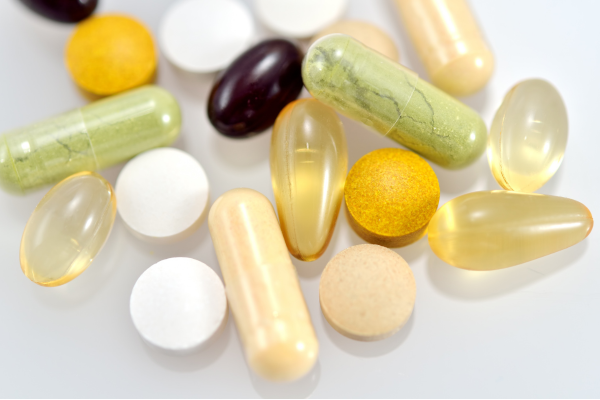 Right now, there is no magic pill to prevent cognitive decline. However, certain nutrients have shown some promise in supporting brain health, especially in people who are deficient or at risk.
These include:
- Omega-3s (EPA and DHA): Found in fish oil, these healthy fats may help reduce inflammation and support cognitive function.
- Vitamin D: Important for immune and brain health, and many adults are deficient—especially in the winter.
- B vitamins (B6, B12, folate): Help reduce homocysteine levels, which have been linked to cognitive decline.
- Magnesium: Supports sleep, mood, and overall nervous system function.
- Creatine and curcumin (found in turmeric) are also being studied for potential brain benefits.
Before starting any new supplement, talk to your healthcare provider—especially if you take medications or have health conditions. Supplements are not regulated by the FDA in the same way that medications are, which means quality, dosage, and effectiveness can vary widely. Some can interact with medications or underlying conditions, and many have not been studied in rigorous human trials. For most people, a nutrient-rich diet remains the strongest foundation for brain health.
Final Thoughts
Cognitive changes are a natural part of aging—but that does not mean decline is inevitable. While we cannot change our age or genetics, we can take meaningful steps each day to support a sharper mind and a healthier brain. These habits do not have to be extreme or all-or-nothing. In fact, small, consistent changes often make the biggest difference over time. And it’s never too late (or too early!) to start supporting your brain health.
👉 If you are looking for personalized support in optimizing your nutrition, blood sugar, or cognitive wellness, contact me to learn more.
References & Further Reading
MIND Diet and Alzheimer’s Risk
Morris, M.C., et al. (2015). MIND diet associated with reduced incidence of Alzheimer’s disease. Alzheimer’s & Dementia.
https://doi.org/10.1016/j.jalz.2014.11.009
Alcohol and Brain Health
Topiwala, A., et al. (2021). Associations between moderate alcohol consumption and brain health. BMJ.
https://www.bmj.com/content/372/bmj.n361
Metabolic Health & Alzheimer’s Disease
de la Monte, S.M. (2014). Type 3 diabetes is sporadic Alzheimer’s disease: mini-review. European Neuropsychopharmacology.
https://doi.org/10.1016/j.euroneuro.2014.06.008
Sleep and the Glymphatic System
Xie, L., et al. (2013). Sleep drives metabolite clearance from the adult brain. Science.
https://www.science.org/doi/10.1126/science.1241224
Exercise and Cognitive Health
Erickson, K.I., et al. (2011). Exercise training increases size of hippocampus and improves memory. PNAS.
https://doi.org/10.1073/pnas.1015950108
Gum Disease and Dementia Risk
Kamer, A.R., et al. (2020). Periodontal disease and Alzheimer’s disease: A review of the literature. Journal of Alzheimer’s Disease.
https://doi.org/10.3233/JAD-200369
Social Relationships and Cognitive Aging
Rogalski, E.J., et al. (2013). Youthful memory capacity in old brains: Anatomic and genetic clues from the Northwestern SuperAging Project. Journal of International Neuropsychological Society.
https://doi.org/10.1017/S1355617713000195
Expert Podcasts
Peter Attia, MD – Preserving Brain Health, Optimizing Exercise Programming
https://peterattiamd.com/timothyryan2/
Found My Fitness with Dr. Rhonda Patrick – Brain Aging and Lifestyle
https://www.foundmyfitness.com/episodes/brain-aging
RELATED POSTS


MEET MARTHA

I especially love problem-solving, whether it’s helping women defeat issues plaguing them for years, helping a busy executive find practical ways to get heart healthy, or providing tips to help you reverse diabetes. That’s why I’m on a constant quest to expand my knowledge by staying on top of the latest research.
8 Comments
Leave a Comment
20 Ways To Eat Out 550 Calories or Less!
No time to cook? We’ve got you covered. Here are 20 healthy meals from a variety of cuisines that won’t pack on the pounds. Most of them also have less than 30 grams of carbs.
Subscribe to my newsletter and get this free download.
Also you can consume some healthy teas, and helps fruits and vegetables from any online supermarket sri lanka , and then you should not overthinking which is really important.
I want to thank Dr Osato for curing me from HSV-2 with his herbal medication. All the symptoms of herpes are completely gone from my body and it’s been over 4yrs now since i got cured from herpes with Dr Osato herbal medicine and my result still shows Negative. My doctor confirmed with me that I am totally cleared from herpes. I just want to let you all know that Dr Osato herbs cures herpes completely from the body and you can contact him for the cure if you are suffering from HIV/AIDS, HERPES-1 & 2, HPV AND CANCER. You can contact Dr Osato on his email: osatoherbalcure@gmail.com or WhatsApp him on +2347051705853 to get the herbal product and get rid of the virus away from your body. Dr Osato is real and a great herbalist who can help you from your illness.. His website is osatoherbalcure.wordpress.com
Getting Back Stolen, Lost, Or Hacked Crypto /Hack Wizard Recovery cyber services.
Although recovering stolen cryptocurrency can be difficult, experts like Hack Wizard Recovery cyber services
can assist you in getting your lost Bitcoin back. Captain Hack Wizard Recovery cyber services begins the cryptocurrency scam recovery process by looking into the story of events and the scheme’s timetable in order to guarantee a successful outcome for the recovery of lost assets. He then tracks down your virtual assets and examines the data that is at his disposal. Consult Hack Wizard Recovery cyber services. If you want to get your misplaced Bitcoin back. get in touch with Hack Wizard Recovery cyber services at
EMAIL:HackWizardRecoverycyberservices@proton.me
WHATSAPP:+12623256979.
I recently went through a tough breakup. My 5 years relationship ended a month ago, and it’s been really hard for me. I still love my ex-girlfriend so much and can’t stop thinking about her. I’ve tried everything to win her back, but nothing has worked. It’s frustrating, and I can’t imagine being with anyone else. I’ve been trying to move on, but I can’t seem to get her out of my mind. I know it might sound strange to share this here. Until a spiritual counselor became my only hope and confidence to her back into my life again. marvelspelltemple@gmail.com reunited us again
I want to thank Dr Osato for curing me from HSV-2 with his herbal medication. All the symptoms of herpes are completely gone from my body and it’s been over 4yrs now since i got cured from herpes with Dr Osato herbal medicine and my result still shows Negative. My doctor confirmed with me that I am totally cleared from herpes. I just want to let you all know that Dr Osato herbs cures herpes completely from the body and you can contact him for the cure if you are suffering from HIV/AIDS, HERPES-1 & 2, HPV AND CANCER. You can contact Dr Osato on his email: osatoherbalcure@gmail.com or WhatsApp him on +2347051705853 to get the herbal product and get rid of the virus away from your body. Dr Osato is real and a great herbalist who can help you from your illness. His website is osatoherbalcure.wordpress.com
I am out here to speed this good news to the entire world on how I got help from Dr UYI a great lottery spell caster that will help you cast a lottery spell and give you the rightful numbers to win the lottery, I didn’t believe lottery spell at first but as life got harder i decided to give a try, I spend so much money on tickets just to make sure I win. until the day I met Dr UYI online, which so many people have talked good about, that he is very great when it comes to casting lottery spell, he told me the necessary things to do and behold it was like a magic, i won $220 Million Dollars Mega Million with the numbers Dr UYI gave to me. his a really trustful person worthy and reliable, i am sharing this to you who have been finding it so hard to win the lottery, Thanks you Dr UYI who helped me Contact him via email: drzukalottospelltemple@gmail.com OR WhatsApp on +17174154115
Best Loan Offer For Your Business. WhatsApp: +447401473736
Hello Mr. or Ms.
This message is for individuals, for anyone in need of a personal loan to boost their business or rebuild their life . Are you looking for a loan to either restart your business, finance a project, or buy an apartment, but you are blacklisted by the bank or your application has been rejected? I am a private lender offering loans ranging from $10,000 to $8,000,000 to anyone able to meet the conditions, and an affordable interest rate of just 2%, we’re here to help you make your goals a reality.
Looking for a Fast and Flexible Loan? 🌟
Whether it’s for personal needs, a big investment, or expanding your business, we’ve got you covered!
Types of Loans We Offer:
Personal Loans 💸
Investment & Real Estate Loans 🏡
House Renovation Loans 🔨
Charity & Community Support Loans ❤️
Debt Consolidation Loans 💳
Business Expansion Loans 📈
Student Loans 🎓
Car Loans 🚗
For a fast response and seamless service, contact us directly and Let us know the amount you need and your preferred repayment period, and we’ll get back to you in no time!
Your financial solution is just an email away.
We look forward to helping you achieve your dreams!
Contact me for more information:
Telegram: @Ranko3222
WhatsApp📞: +447401473736
https://toprapidsolution.blogspot.com/
Definitely and totally cured of herpes virus by Doctor Razor’s Quick cure for Herpes. My Sincere Gratitude to Dr Razor, I was infected with HERPES SIMPLEX VIRUS 2 November 13 2018, I went to many hospitals for cure but there was no solution, I was confused because the medical drugs has become my daily food, but i decided to sort after Natural Herbs. One day I sat beside the pool, Browsing and thinking where I could get a solution to end this predicament. I saw a blog on how Herbalist Razor cured people with his herbal medicine, I decided to Visit this Doctor’s Razor Website: herbalistrazorherb.wixsite.com/drrazorherbalhome and being satisfied, I contacted and Explained my Problems to him and he prepared the herbs for me which I took for a period of time and he instructed me to go for a check up, after the test I was confirmed herpes negative, MY JOY KNOWS NO BOUND. This testimony serves as a token of my gratitude.
He renders Treatment for :
HIV/AIDS,
SHINGLES,
CANCER,
HUMAN PAPILLOMA VIRUS,
ASTHMA,
DIABETES
BARRENNESS/INFERTILITY
P*NIS ENLARGEMENT
SPELL COUNSELING.
You Can decide to reach Herbalist Razor on his Email address : drrazorherbalhome@gmail.com . Cell Phone/Whatsapp Number +2349065420442