
Increase Your Fluid Intake as the Temperature Rises

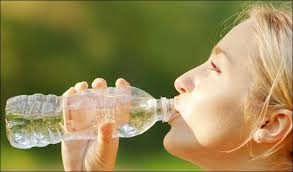
With the temperature hitting close to 100 degrees, it is important that we stay hydrated …especially if you are venturing outside away. I was probably the only fool who was starting my 40 mile bike ride in the blazing sun this past Monday at 2 pm! Our body’s fluid requirement increases as the temperature rises. Being dehydrated can have serious effects on your health. Check out my tips to make sure you keep your body hydrated and performing at its best.
Functions of fluid in the body
Think about what happens to your plant if you don’t water it … it droops – or can actually die! I know this from experience as I’m not known for my “green thumb” which has unfortunately led to many dead plants. Seriously, water is a critical element of the body, and adequate hydration is a must to allow the body to function. Up to 75% of the body’s weight is made up of water. Here are some of the ways water is used in your body:
– lubricates and cushions joints
– controls your body temperature
– protects your spinal cord and other sensitive tissues (including your brain!)
– gets rid of wastes through urination, perspiration, and bowel movements
Symptoms of dehydration
Symptoms range from mild to life threatening. How many times have you had a headache, a dry mouth, felt weak or haven’t urinated in hours? It is possible that you were dehydrated. Other symptoms include dry eyes, muscle cramps, decreased sweating, and nausea. More serious symptoms include mental confusion, vomiting, racing pulse, difficulty breathing, seizures, etc. At this point, medical attention is needed immediately.
How much fluid do you need a day?
The recommendation used to be that we consume 64 oz of water a day. That recommendation has changed. We now know that most of us can meet our fluid needs with other beverages and watery foods (i.e. soup, melons, tomatoes, etc.) However, in my experience, when the weather gets really warm and/or if you exercise a lot, many people don’t meet their fluid needs. The elderly, young children and athletic people tend to get dehydrated more often. If you get headaches, have a dry mouth, feel lightheaded, or have low energy levels, you may be one of those people!
Tips to increase your fluid intake in the hot weather
Despite the fact that the official recommendation to drink 8 cups of water has changed, I personally still think that we should strive to consume this amount of water (or other beverages) daily when the temperature heats up. Here are some tips:
1. Don’t wait until you are thirsty. By the time thirst sets in, you are already dehydrated.
2. If you know you’ll be doing errands or in the car for extended periods of time, freeze bottles of water and take them with you. Drinking warm water when it is 90 degrees outside is not pleasurable!
3. At work, set concrete goals with regards to fluid intake, otherwise you may get caught in what you are doing and forget to drink. For example, tell yourself that you need to finish at  least 3 16 oz bottles of water by the end of the day.
4. Drink 8 oz of water before you leave the house in the morning. Drink 8 oz with both lunch and dinner. Now you’ve consumed 24 ounces!
5. While water is always best, other beverages such as tea and coffee (both iced and regular), juice, sports drinks and milk count as fluid. In the past it was said that caffeinated beverages dehydrated you. We now know that they can provide your body with fluid – if you are used to drinking them. However I would still recommend that you try to meet the majority of your fluid needs with non-caffeinated fluids. In addition, if you are trying to watch your weight, keep in mind that many beverages contain calories. And yes, even soda counts as fluid … though I hate to admit that! I am not a huge fan of either regular soda (contains about 10 teaspoons of sugar per can!) or diet soda – so just keep your intake to a minimum.
6. If you don’t love plain water, try adding a squeeze of lemon or lime to flavor it. Or drink flavored seltzer.
7. If you are exercising for more than 60 minutes (especially if it is in the heat), you may be best of with a sports drink that contains electrolytes and carbohydrates. Otherwise, plain water is fine.
8. A good way to test your hydration status is to check the color of your urine. Clear or light-colored urine means you’re well hydrated, whereas a dark yellow or amber color usually signals dehydration. Keep in mind that taking B vitamins can cause your urine to appear more yellow!
9. If you another reminder as to why it is good to drink adequate fluid … it can help keep your skin looking youthful and can prevent constipation!
Drink up and stay cool in this heat wave!
RELATED POSTS
Sorry, we couldn't find any posts. Please try a different search.
MEET MARTHA

I especially love problem-solving, whether it’s helping women defeat issues plaguing them for years, helping a busy executive find practical ways to get heart healthy, or providing tips to help you reverse diabetes. That’s why I’m on a constant quest to expand my knowledge by staying on top of the latest research.
20 Ways To Eat Out 550 Calories or Less!
No time to cook? We’ve got you covered. Here are 20 healthy meals from a variety of cuisines that won’t pack on the pounds. Most of them also have less than 30 grams of carbs.
Subscribe to my newsletter and get this free download.