Eat Now to Prevent Overeating Later

How many times have you skipped lunch only to find yourself raiding the vending machine at 4 pm? The carrots you brought in for your afternoon snack just won’t cut it. Or how about when your 8 pm dinner turns into a 10 pm dinner? The bread basket is calling your name and you can’t stop at just one piece. Your stomach has turned into an endless pit. Grilled fish for an entree – forget it! All you want is a huge bowl of pasta. These scenarios have one thing in common: waiting too long to eat will eventually cause you to overeat. You can prevent this from happening with a little awareness and planning.

Eating at regular intervals can be difficult when you have a busy schedule. Meetings back to back, work deadlines, picking the kids up at school, trying to fit in a workout, etc. Healthy eating tends to take a back seat. Or perhaps you are dieting and intentionally skip meals in hopes of 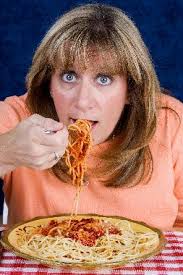 cutting calories. This tactic will eventually backfire. In both of these situations, when you eventually do get around to eating, you can’t stop – it feels like you just can’t get full! What is going on?
The problems with going too long without eating:
– Your brain secretes “food seeking” signals, usually for sugary or fatty foods. You can’t fight these brain chemicals and will eventually give in to eating (often overeating).
– In addition, when you go too long without eating, it’s common to get feelings of low blood sugar. You might feel tired, shaky or have a headache. This is usually accompanied by strong carb cravings.

The solutions:
1. Don’t let more than 4 hours or so go by without some kind of a “feeding.” I tell my clients to treat food like medication – eat it whether you are hungry or not. Because once you get low blood sugar, you may not be in full control of what you will eat. The trick will be to prevent the low blood sugar from occurring.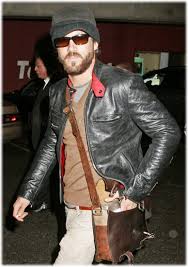
2. Plan snacks to keep with you in your desk, office refrigerator or briefcase/pocketbook (or man bag – see pic) Good snacks include: fruit, nuts, string cheese, laughing cow cheese and high fiber crackers, yogurt, cottage cheese, popcorn, high fiber energy bar, etc.

3. Don’t skip breakfast. The best kind of breakfast is one that contains some protein, a little fat and high fiber carbs. This promotes a slower rise and fall of blood sugar. My favorite is: 2% Greek yogurt, Fiber One and berries.
4. Don’t eat lunch too late. This will likely cause you to overeat.
5. If you know you will be having a late dinner, eat a healthy snack (see above) an hour or two before going to the restaurant.
Bottom line, by preventing low blood sugar now, you will be able to control your food intake later!
RELATED POSTS
Sorry, we couldn't find any posts. Please try a different search.
MEET MARTHA

I especially love problem-solving, whether it’s helping women defeat issues plaguing them for years, helping a busy executive find practical ways to get heart healthy, or providing tips to help you reverse diabetes. That’s why I’m on a constant quest to expand my knowledge by staying on top of the latest research.
20 Ways To Eat Out 550 Calories or Less!
No time to cook? We’ve got you covered. Here are 20 healthy meals from a variety of cuisines that won’t pack on the pounds. Most of them also have less than 30 grams of carbs.
Subscribe to my newsletter and get this free download.