


New Yorkers are pretty well-informed when it comes to nutrition … most of the time! But even my most nutrition savvy clients can get fooled on occasion. And the media makes it even more 
1. Wine is full of sugar. Feeling virtuous ordering a vodka on the rocks instead of a glass of red wine thinking you are avoiding “all that sugar”? Wrong! A glass of dry red wine only contains 3-5 grams of sugar. While this may be more than a shot of vodka, compare this to the sugar in 12 grapes or a small orange (both have 15 grams). I’m not suggesting wine is healthier than fruit … just a comparison. In the process of making wine, the process of fermentation actually converts the sugar in grapes to alcohol. Sweet wine will contain a little more sugar. Bottom line, all alcohol should be consumed in moderation for calorie and health reasons – not because it’s high in sugar.
2. Gluten free is healthier. For those of you with celiac disease or gluten intolerance, this is true. For the rest of us – no. On the contrary, many gluten free foods are higher in calories, fat and sugar than the regular products containing gluten. Gluten free foods tend to cost more too … and many products don’t taste as good!
3. A calorie is calorie. Not really – it’s really a little more complicated than this. First, you actually burn more calories digesting some foods (called diet induced thermogenesis) than others. The thermogenic effect of fat is 0-3%, carbs are 5-10% and protein is 20-30%. This means you would burn ~ 25 calories when digesting 100 calories of protein. Note: this doesn’t mean a fatty protein like rib eye steak! Second, studies have shown the calories from natural food are handled differently in the body as compared to calories from processed foods. One study showed that 50% fewer calories were burned when digesting processed foods versus natural foods. This can really add up if your diet includes a lot of processed foods. See my previous post Not All Calories are Created Equal.
4. Eating late at night leads to weight gain. Total caloric intake is what is most important when it comes to your weight versus the time you eat. The reason why night eaters tend to gain weight is often due to excessive calories from large dinners or too much evening snacking. Eating minimally during day tends to make you over hungry at dinner! Try to eat regular meals during the day to keep your metabolism moving and energy levels up and enjoy a moderate sized dinner.
5. Caffeinated beverages cause dehydration. For many years it was believed that caffeine caused dehydration. Newer research suggests that caffeinated beverages may in fact contribute 
6. Shellfish raises cholesterol and should be avoided on a heart healthy diet. Studies have shown that saturated fat and trans fat in food have a more significant effect on elevating blood cholesterol than dietary cholesterol. Shrimp and squid contain more cholesterol than other the shellfish including lobster, scallops, clams and oysters. But the bottom line is that all shellfish are low in saturated and can be part of a heart healthy diet. If you have high cholesterol, I would suggest limiting shrimp and squid to a few times a week. And of course, limit/avoid the butter! Try cocktail sauce or lemon instead.
7. Agave is the healthiest sweetener. Agave was the rage a few years ago because of the “all natural” and low glycemic index claims. While it’s true that it’s made from a plant, it’s still processed like most other sweeteners. Nutritionally and functionally, agave syrup is similar to high-fructose corn syrup and sucrose (Karo) syrup. It contains 55-90% fructose (versus glucose). Sound good? Probably not. Studies have suggested that consu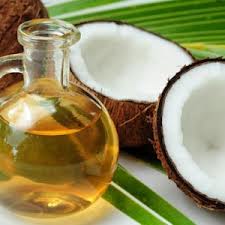
8. Coconut oil is a health food. Coconut oil, once considered to be among the most detrimental fats for your heart, has suddenly developed a healthy halo. Virgin coconut oil contains antioxidants and may have anti-inflammatory effects in the body, however the claims for coconut oil curing chronic fatigue, Crohn’s disease, IBS, diabetes, elevated blood cholesterol, weight loss, etc. are far from proven. Very few scientific studies have been conducted on coconut oil. While it is likely not as “bad” as we once thought, I wouldn’t recommend overdoing it. Stick to olive oil (or another vegetable oil) and use small amounts of coconut oil for flavor if desired.
Did you fall prey to any of these myths?


