


You’ve done nothing different with your food or exercise regimen, yet your body is changing. Guys have traded in 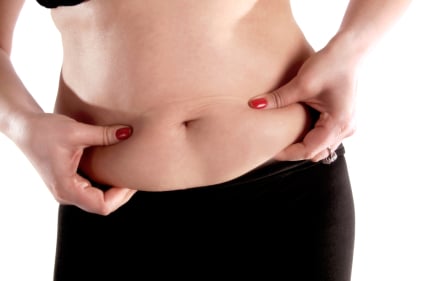
Effects of aging on your metabolism
Aging is associated with a slowing of the body’s metabolism. The decrease in muscle mass tends to account for most of this change. We tend to lose 1/2 pound of muscle a year after the age of 30. After the age of 60, this muscle loss doubles. As we lose muscle mass, we gain weight in fat. For men, there is a gradual decline in testosterone, which can reduce muscle mass and cause the metabolism to decline. Women start to gain weight (or have a shift in weight to the abdominal area) a few years before menopause, as estrogen levels start to decline. Because muscle mass burns a lot of calories compared to fat, the total number of calories needed goes down.
Other causes of weight gain
While the loss of muscle mass has a major effect on slowing our metabolisms, there are other causes of weight gain:
– Decreased activity. Studies have shown that we exercise less as we age. We may have less time to exercise due to more family obligations and/or working late. Along with aging comes chronic injuries such as arthritis, tendonitis and back pain which can cause you to cut back on your usual exercise program. Perhaps you have retired and do less walking than before. Or maybe you just don’t have the energy levels or motivation that you did when you were younger!
– Overall slow down of metabolism. Our organs don’t need as many calories to function as they did when you were younger. Can’t do anything about that one!
– Change in lifestyle which can affect eating habits. Are you eating out more in restaurants now that your kids have grown? More traveling?
– Stress can contribute towards weight gain. As we get older, there may be more stress in our lives… caring for elderly parents, financial concerns with sending kids to college, etc. Studies have shown that chronic stress can contribute towards weight gain. Download my free Diet and Stress Survival Guide. When you sign up to get my email blog updates, you will get this link in your email.
How to prevent age related weight gain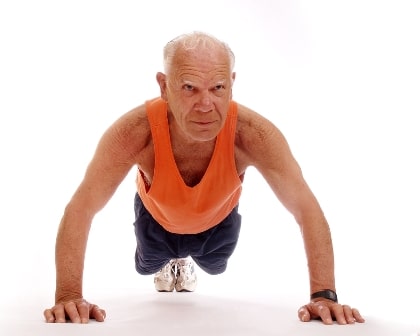
1. Build muscle mass. The more muscle mass you have, the faster your metabolism will be and the more calories you will burn at rest. Unfortunately, most adults do not perform strength training. Research has shown that two 25-minute sessions of strength training a week can increase muscle mass by about 3 pounds over 8 – 12 weeks. That alone can increase your resting metabolic rate by 7 percent. One other very important factor – when you diet, up to 30% of the weight you lose can come from muscle. Moderate strength training can keep this loss to 3-5% of total weight loss. In addition, weight training will strengthen your bones, balance and overall function. (Pic: http://www.mobilegymusa.com/personal-training-seniors)
2. Burn more calories by increasing aerobic exercise. If you are able to walk on the treadmill and read a magazine, you aren’t working hard enough! Pick up the pace and intensity. Or better yet, try High Intensity Interval Training (HIIT) . This is where you alternate bouts of higher intensity exercise followed by lower intensity. Studies have shown that this kind of training has more of an effect of keeping the metabolism revved up for a longer time period of time after your exercise session. *Note that this kind of training is more intense and may not be for everyone. Also, please see your doctor prior to starting (or increasing) your exercise program.
3. Be more active during the day. Just because you went to the gym, doesn’t mean you should forgo taking your daily walk. I find a lot of my clients tend to be less active during the days they engage in formal exercising. Your overall daily activity is important to keep your metabolism moving. Walk 10 minutes here and there, take an extra flight of stairs, park your car further from the store, get up and walk in place during commercials, etc.
4. Keep careful tabs on what you eat and drink. Many of my clients think they are eating minimally, however once they keep a detailed food record (which I highly recommend!), they see that they are eating more than they think. Pay special attention to your portion sizes. This is especially important if you’ve been spending more time in restaurants. A healthy restaurant meal of a salad, grilled fish and veggies can easily pack in over 800 calories. An average women trying to lose weight will likely need to aim for 1200-1400 calories a day.
5. Consume adequate protein. This is especially important to help prevent loss of muscle mass as we age. In addition, protein keeps us feeling full longer and takes more calories to digest as compared to fat and carbs.
6. Don’t take your calories too low. This will cause a further decrease in your metabolism. While you need fewer calories as you age, you need just as many nutrients as when you were younger (even more of some nutrients including Vit D and B12). So make wiser food choices!
7. Limit processed foods. Not only are these foods lower in nutrients, but studies have found that it takes fewer 
8. Get adequate sleep. Studies have linked inadequate sleep to increased hunger and weight gain as well as diabetes, insulin resistance and heart disease. You also need adequate sleep to help your body repair the little tears you get in your muscles from exercising. So make a point to get to bed earlier and give your body the rest it needs.
Bottom line, if you are between the ages of 35-55, be prepared for age related weight gain! While you can’t turn back the hands of time, you can stop the weight gain and even promote weight loss by making a few changes. The trick is to be prepared and put your plan in action before the weight gain even starts!
For more info, read:
Sparkpeople
How many calories burned in muscle?
Aging and metabolism
Ladies … stay tuned for my upcoming post on how to prevent weight gain and heart disease when going through menopause/perimenopause. I will also be giving a lecture at New York Presbyterian Hospital on this topic on Tuesday May 1st at 6:30 pm. It’s open to the public and everyone is invited! Details to follow.


