
Cold Weather Exercising: Benefits & Tips

Winter can put a chill your intentions to get out and exercise. Who wants to go outside when the temperature drops? Even those of us with the best intentions can turn onto slug mode … as the couch and tv call out your name! But exercising in the cold weather can provide you with numerous benefits – all it takes is a little motivation to get outside.
Benefits to exercising in the cold winter months
1. Exercise can help to boost endophorins and elevate mood. Many people suffer from mood changes when during the winter months.
2. You can burn more calories exercising in many cold weather sports.  This is due to the effort of wearing extra clothes. Has anyone tried to walk around in ski clothes lately? You feel like the Michelon Tire Man! Also, your body is less efficient on slippery surfaces, which burns more calories.
3. Can start to burn off those holiday calories. Studies show that the average person does not burn off the pound or two that accumulated over the holiday season. This leads to the creeping weight gain that many of us experience.
4. Will put you ahead of the game when spring comes … whether your goal is too look good in a bathing suit and shorts or to improve your time in your local 6 K race.
4. Prevents boredom .. something different than the same old spinning or yoga class.
5. Meet new athletic minded people. While other city girls and guys are surfing the internet dating sites, you can be out meeting real people (and avoid the fudged profile scenario….)
7. Invigorating and energizing and will also give you a nice rosy glow to your cheeks
So, assuming I’ve convinced you that exercising in the cold weather is a  good idea, you will need to make sure you follow these tips to have a safe enjoyable experience. Don’t want to come back home with a frostbitten nose …
Cold weather exercise tips:
1. When exercising outdoors, it’s important to dress properly. Wear layers that you can peel off as necessary. Ideally, the layer closest to your skin should be made of a breathable wicking material and not sweat-absorbing cotton. Then add a layer of fleece or cotton for 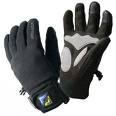 warmth and, finally, a windbreaker or waterproof outer layer.
2. Make sure you’ve adequately insulated your extremities. The face, fingers and toes are most likely to get frostbitten. Pain or tingling in your ears, fingers or toes is a sign that it’s  time to come in from the cold.
3. Don’t forget a hat. Substantial body heat is lost through your head. (this city man would definitely need a hat!)
4. Though you may feel less thirsty in cold weather, continue to drink water while exercising. Dehydration can be a common problem when exercising in cold weather.
5. If you run in the dark, wear reflective clothing so that drivers can see you.
6. Sounds like common sense … but beware of the ice.
7. Wear a helmet for sports including downhill skiing and snowboarding.
8. And as with any form of exercise, eat a snack or meal that includes mainly carbs and some protein prior to exercising. Don’t want to end up with low blood sugar when you are 5 miles into the woods on your snow shoes!
RELATED POSTS
Sorry, we couldn't find any posts. Please try a different search.
MEET MARTHA

I especially love problem-solving, whether it’s helping women defeat issues plaguing them for years, helping a busy executive find practical ways to get heart healthy, or providing tips to help you reverse diabetes. That’s why I’m on a constant quest to expand my knowledge by staying on top of the latest research.
20 Ways To Eat Out 550 Calories or Less!
No time to cook? We’ve got you covered. Here are 20 healthy meals from a variety of cuisines that won’t pack on the pounds. Most of them also have less than 30 grams of carbs.
Subscribe to my newsletter and get this free download.