Inulin: It’s Good for Your Gut!

If you recently purchased a box of cereal, yogurt, ice cream or a granola bar and took a  glance at the ingredient list, you may have noticed the strange little word “inulin.” What is this ingredient? Is it safe? Healthy? A natural component of plant foods, inulin is a type of dietary fiber that is often added to increase the fiber content of a product without increasing the caloric value. Inulin is found naturally in a number of vegetables and plants including wheat, onion, bananas, garlic and chicory. Most of the inulin that is added to commercial products is either synthesized from sucrose or extracted from chicory roots. (pic is of chicory roots)
Inulin is often added to replace fat or sugar and decrease the caloric value of foods such as ice cream, dairy products and baked goods. With the addition of inulin, the modified product contains fewer calories and higher fiber content. As a dietary fiber, inulin influences intestinal  function by increasing stool frequency and weight, as well as decreasing serum triglycerides and blood cholesterol levels. Perhaps the most well-known effect of inulin, however, is its action of stimulating bifidobacteria growth in the intestine. Some of these bacteria, such as Lactobacilli, are thought to promote positive shifts in the microflora and promote intestinal health. Due to the beneficial effects of inulin on these health-stimulating bacteria, it has been termed a “prebiotic.”
Considered an important component of many functional foods, inulin displays nutritional properties and plays a crucial role in bifidus stimulation. However, keep in mind that inulin comes from purified powders, not the kind of fiber found in whole grains, beans, vegetables and fruits. These foods have been shown to lower cholesterol, reduce the risk of diabetes and heart disease and may cut the risk of colon cancer. But there isn’t much evidence that “isolated” fibers like inulin have the same effect. That being said, inulin still has some health benefits. So the next time you notice that strange little word in the ingredient list, be assured that you’ve made a good choice!
Source: Niness, KR. Inulin and Oligofructose: What Are They? J. Nutr. 129: 1402S–1406S, 1999.

I would like to thank Jinan Banna, PhD, Dietetic Intern
at New York Presbyterian Hospital for writing this article.
RELATED POSTS
Sorry, we couldn't find any posts. Please try a different search.
MEET MARTHA

I especially love problem-solving, whether it’s helping women defeat issues plaguing them for years, helping a busy executive find practical ways to get heart healthy, or providing tips to help you reverse diabetes. That’s why I’m on a constant quest to expand my knowledge by staying on top of the latest research.
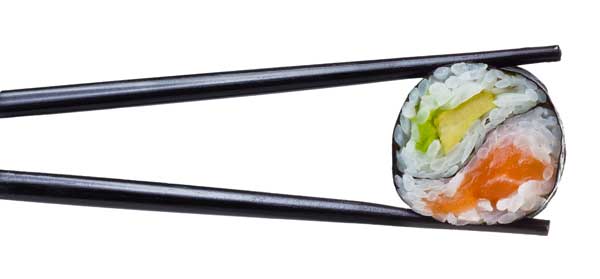
20 Ways To Eat Out 550 Calories or Less!
No time to cook? We’ve got you covered. Here are 20 healthy meals from a variety of cuisines that won’t pack on the pounds. Most of them also have less than 30 grams of carbs.
Subscribe to my newsletter and get this free download.