


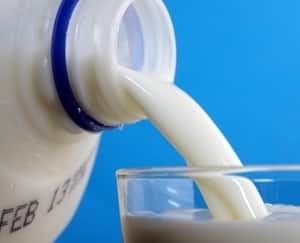
Milk Comparison
The nutritional information is based on an 8 oz portion. Please note that the exact information will vary depending upon the brand you buy so make sure to read food labels. For example, some companies fortify with more calcium and Vitamin D than others.
Cows milk
Nutritional content of:
Skim milk = 90 cal , 0 gm fat, 12 g carbohydrate, 8 gm protein, 30% RDA for calcium, 25% RDA for Vit D
1% milk= 110 cal, 2.5 gm fat (1.5 gm sat fat), 13 gm carbohydrate, 9 gm protein, 30% RDA for calcium, 25% RDA for Vit D
2% milk = 120 cal, 5 gm fat (3 gm sat fat), 12 gm carbohydrate, 8 gm protein, 30% RDA for calcium, 25% RDA for Vit D
Whole milk = 150 cal, 8 gm fat (5 gm sat fat), 12 gm carbohydrate, 8 gm protein, 30% RDA for calcium, 25% RDA for Vit D
PROS: Cow’s milk naturally contains high amounts of calcium. It provides the most protein in comparison to other types of milk. Cow’s milk also is a complete protein – meaning it provides all the essential amino acids
CONS: Whole milk and 2% milk contains a fair amount of saturated fat which may raise LDL cholesterol. In addition, it is estimated that 30-50 million adults and children are lactose intolerant – so many people may have trouble digesting any kind of cows milk
*Lactaid milk would have the same nutritional content of cow’s milk – but will be easier to digest for those people who have lactose intolerance
Soy Milk
Nutritional content = 90 calories, 3.5 gm fat (.5 gm saturated fat), 8 gm carbohydrate, 6 gm protein, 45% RDA for calcium, 30% RDA for Vitamin D
PROS: Soy milk is made from soybeans, therefore is it vegan and an option for individuals with lactose intolerance. Soy milk may also help individuals lower their risk for heart disease. Soy provides isoflavones, which help lower bad cholesterol. Soy is also an excellent source of dietary protein, including all essential amino acids
CONS: Certain brands of soy milk contain added sugars. Be sure to read the food label! It is also important to ensure that the soy milk is fortified to ensure adequate intake of calcium, vitamin D and other essential vitamins and minerals found naturally in cows milk.
There remains an ongoing controversy as to whether or not soy foods are safe for women who have had estrogen positive breast cancer. Until the issue becomes clearer, many doctors recommend that women who take hormonal therapy or who have estrogen-receptor-positive breast cancer avoid soy supplements because they contain high concentrations of isoflavones. But in general, it’s fine to eat moderate amounts of soy foods as part of a balanced diet. Check with your physician on this issue
Hemp milk
Nutritional content : 100 calories, 6 gm fat (.5 gm sat fat), 10 gm carbohydrate, 2 gm protein, 30% RDA for calcium, 25% RDA for Vitamin D (some brands contain 0% RDA for both calcium and Vit D)
PROS: Hemp milk is rich in omega 3 fatty acids, which are beneficial for the brain and the cardiovascular system. It is also low in saturated fat
CONS: It is low in protein
Almond milk- unsweetened
Nutritional content: 30 calories, 2.5 gm fat (0 gm sat fat), less than 1 gm carbohydrate, 1 gm protein, 45% RDA for calcium 25% RDA for Vitamin D
PROS: Low in calories, almond milk also contains no cholesterol or saturated fat. Almond milk is also free of dairy, soy, lactose, gluten and egg for those with severe allergies. It is usually fortified with calcium,Vitamin D and Vitamin E (contains 50% RDA for Vit E) Riboflavin (B2), Vitamin B12
CONS: Almond milk has less protein that traditional cow’s milk
Almond milk- sweetened
Nutritional content: 60- 90 calories, 2.5 gm fat (0 gm saturated fat), 16 gm carbohydrate, 1 gm protein, 45% RDA for calcium, 25% RDA for Vitamin D
PROS: Even the sweetened almond milk is lower in calories than skim cow’s milk. Other “pros” as above
CONS: Sweetened almond milks contain additional sugar content, providing extra calories of little nutritional value and like unsweetened almond milk, it is low in protein
Coconut milk
Nutritional content: 80 calories, 5 gm fat (5 gm sat fat), 7 gm carbohydrate, 0 gm protein, 10% RDA for calcium. 30% RDA for Vitamin D
PROS: Coconut milk is dairy free, which appeals to clients adhering to a vegetarian diet coconut milk packs a lot of flavor and can be used in small amounts when cooking
Rice Milk
Nutritional content: 120 calories, 23 gm carbohydrate, 1 gm protein, 30% RDA for calcium 25% RDA for Vitamin D
PROS: Rice milk is dairy free. Most brands are made from brown rice, therefore providing all the nutrients found within the bran and the germ (B vitamins, phosphorus, iron). Rice milk is the most hypoallergenic of all types of milk including almond and soy milk. It is a popular choice among those with multiple allergies. Rice milk is also low in fat and contains no cholesterol
CONS: Rice milk is high in carbohydrates and low in protein and fiber
Oat Milk
Nutritional content = 130 cal, 2.5 gm fat (0 gm sat fat), 24 g carbohydrate 4 g protein 35% calcium 25% 25% vitamin d
PROS: Oat milk is dairy free, vegan/vegetarian, corn free, soy free and wheat free. Oats also provide additional protein and fiber
CONS: The carbohydrate content is fairly high compared other milks. Ingredients and fortification varies depending on the brand
Potato Milk
Nutritional content = 70 calories, 20 gm carbohydrate, 0 gm protein, unknown RDA for RDA for Vitamin D
PROS: Potato milk has a creamy taste, commonly used by those with food intolerances (mainly dairy and wheat). Potato milk is also fat free
CONS: Some brands come in powder form and can be stored for long periods of time. Potato milk can also be made at home; several recipes are available on the Internet. However, potato milk doesn’t provide any protein
Now I know that the different types of milk can be confusing, hopefully this post will help you next time you’re making your choice at the supermarket. Sometimes it comes down to personal preference; each milk provides a different nutritional profile and a unique taste. What is important to 
What is your favorite kind of milk?
I’d like to thank Rachel Hochstadt for writing this post. Rachel is a dietetic intern in the NYC metro area, she will be a Registered Dietitian come July 2013 (fingers crossed)! Rachel’s favorite cuisine is Mediterranean (mainly hummus and feta cheese) and she loves to sip mojitos in Manhattan on the weekends. As summer approaches, Rachel is excited to spend her time on the beaches in New York and New Jersey. Rachel hopes to take her passion for health and establish a long last career in nutrition.
Sources:
- http://www.eatingwell.com/healthy_cooking/healthy_cooking_101/shopping_cooking_guides/a_buyer_s_guide_to_milk_part_ii?slide=2
- http://nutritiondata.self.com/
- health.com
- http://www.nationaldairycouncil.org/HealthandWellness/DairysHealthBenefits/Pages/DairysHealthBenefits.aspx
- http://www.eatingwell.com/nutrition_health/nutrition_news_information/health_benefits_of_coconut_coconut_oil_coconut_milk_coconut_water_coconut_flour?page=3
http://www.pacificfoods.com/our-foods/nutgrain-beverages/organic-oat-original-non-dairy-beverage


