


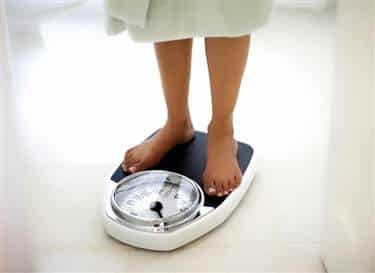
I’ve had a lot of clients lately who have been very puzzled and/or frustrated with the scale. Understanding a little bit about fluid balance in the body can help you to better understand what may be going on. Your body is about 55-60%water. So for a 160 pound person, 88 – 96 pounds of you is water! There are many factors that can cause fluctuations on your body’s water content which will affect your weight.
Two major factors affecting your body weight
Excess sodium intake. Your body wants to maintain a balance of sodium to water. If you increase your sodium intake, your body holds in water to maintain that balance. After a day or so, you will lose this water weight. Some people are more sensitive than others. Keep in mind that sodium is lurking in many places. Processed foods are major sources of sodium. The same goes for eating out – many chefs love that salt shaker!
Increased carbohydrate intake. Carbs hold in water. For example, let’s say your normal diet is moderate in carbs. Then you overindulge on the weekend on bagels, dessert, and maybe some pasta. Your body does several things with these carbs:
1. some is used for immediate energy
2. some is stored as fat
3. much of it goes into energy stores in the liver and muscles
These stores are called glycogen and will provide your body with energy as time goes on. Runners try to fill up their glycogen stores by eating pasta on the

Other factors affecting weight on the scale
Constipation. I don’t have to say more on this – except that the food is staying in you versus coming out. This will obviously affect the scale … how much, I’m not sure!
Hormonal changes. Guys, this one is mainly for the ladies. I’ve seen women gain 4 pounds when they are premenstrual. The same can go for changes during perimenopause.
Medications. Certain medications can cause you to retain fluid.
Medical conditions, such as heart disease, kidney or liver disease can lean to fluid retention
Dehydration. Being dehydrated can make appear that you lost weight when in reality it is only water loss and will come right back on!
Here’s the math
Let’s say the scale jumped up by 3 pounds. Does this mean you gained 3 pounds of fat? Probably not. It takes an extra 3500 calories to promote a one pound weight gain of fat. So does this mean you ate an extra 10,500 calories over the weekend (in addition to the calories your body needs to maintain its weight)? I guess it would be possible, but that is a lot of eating! Chances are that most of your Monday morning weight gain is due to fluid retention.
Tips to outsmart the scale:
1. Don’t be a slave to the scale. Keep in mind that daily fluctuations are totally normal. It is the trend that is more of a concern
2. Think about the pros and cons of weighing yourself so frequently. Frequent weigh-ins work great for some but not for others. If you find the scale is

3. The obvious – make sure your scale works. If you weigh yourself 5 times in 10 minutes and get different readings every time – time to buy a new scale (and stop weighing yourself so frequently!)
4. Weigh the same time of the day, the same day of the week. Keep your scale in the same place. I’ve had some clients tell me their weight can vary by a pound or more depending upon where they place the scale on the floor.
5. Keep in mind that your weight can fluctuate by 1-3 pounds a day. If you see a major change in one day, think about what you ate the previous day. Sashimi and miso soup can be a low cal dinner choice, but the high sodium content can temporarily add a pound or two.
6. Limit your sodium intake
7. Drink at least 8-10 cups of water a day
8. Exercise 30-60 minutes a day
9. Be prepared for a 1-2 pound weight change on low carb or high carb days


