
Nutrition and lifestyle are the first-line treatments when it comes to managing PCOS. Certain drugs and supplements can play a role as well. One of my favorite supplements for PCOS is NAC because it has many potential benefits ranging from infertility to inflammation to insulin resistance.
But just what is NAC? And how does it help with PCOS? Read on to learn about the potential health benefits of NAC (n-acetylcysteine) for PCOS.
What is NAC?
NAC (n-acetylcysteine) is an amino acid and precursor for glutathione. Glutathione is a powerful, naturally occurring antioxidant that clears the body of free radicals. These excess free radicals have many negative effects on the body, including damaging cells and promoting inflammation. By promoting glutathione levels, NAC can alleviate inflammation and provides protection against oxidative stress that is toxic to the body.
Unlike other supplements, NAC is not naturally found in food sources – so you will need to obtain it in supplement form.
NAC is so powerful that it’s also considered a drug. It’s used by healthcare providers to treat acetaminophen (Tylenol) poisoning as well as some lung conditions.
Health benefits of NAC for PCOS
This little antioxidant has powerful potential health benefits including:
Decreased inflammation
 Low-grade inflammation is a hallmark feature in PCOS. This may be due in part to the higher levels of oxidative stress that are found in women with PCOS, as compared to those without PCOS. Higher levels of oxidative stress can worsen inflammation and insulin resistance. As a powerful antioxidant, NAC works to fight oxidative stress and reduce inflammation. And this is a double win – as reducing inflammation also helps to improve insulin resistance.
Improved insulin sensitivity

It’s estimated that 50-95% of women with PCOS have some degree of insulin resistance. While nutrition and exercise play a major role in improving this, supplements, including NAC can also help. In one study, both lean and obese patients with PCOS were treated with doses of NAC ranging from 1.8- 3 gm/day for 5-6 weeks. At the end of the study, patients who were initially insulin-resistant demonstrated an overall improved insulin sensitivity after the NAC supplementation. The NAC treatment also induced a significant fall in T levels and in free androgen index values (P<.05).
Decreased androgens
Elevated levels of androgens, or clinical signs of it, are one of the diagnostic criteria for PCOS in women. The main androgen often elevated in women with PCOS is testosterone. The presence of this hormone in the female body can lead to irregular menstrual cycles and symptoms of hair loss, hair growth, and acne. NAC may help to lower androgens. One randomized controlled study placed patients with PCOS into two separate groups and provided 500mg of metformin 3 times per day or 600mg NAC three times per day. At the end of the study, both groups demonstrated a marked decrease in their testosterone levels.
Improves fatty liver
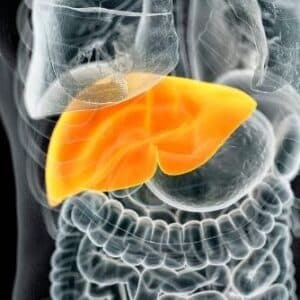
Women with PCOS have an increased incidence of fatty liver. Along with a healthy diet, NAC may help improve this. One study showed that women with PCOS who were treated with NAC (1200 mg/daily) for three months showed a significant improvement in lowering liver function tests, markers of fatty liver.
Fertility
PCOS is the most common cause of ovulation and fertility issues among women trying to conceive. NAC may offer some benefits in this area. A systematic review and meta-analysis published in the Journal of Obstetrics and Gynecology looked at the benefits of NAC in eight randomized controlled trials involving 910 women with PCOS. The review showed that NAC provided significant improvements for improving ovulation, pregnancy and live birth rates as compared to a placebo alone.
NAC and COVID-19
Women with PCOS are at higher risk for complications from COVID-19 due to their increased susceptibility to cardio-metabolic issues, such as increased inflammation, increased androgen levels, hypertension, and low levels of vitamin D.

Some studies have shown NAC may have the potential to improve eliminating free radical molecules and protecting cells in the body, thus reducing the likelihood of any physiologic conditions, such as inflammation and tissue injury, that may make the body susceptible to COVID-19. As a result, women with PCOS are specifically encouraged to adhere to rigid infection control measures as the COVID-19 pandemic continues.
To learn more about the relationship between COVID-19 and NAC, read more here.
Recommended dose of NAC
The recommended dosage is 600 mg three times a day, or 1.6-3.0 grams per day. Always check with your doctor before taking any supplement including NAC, especially if you are pregnant, lactating, taking medications, or have health conditions. Taking NAC may cause minor gastrointestinal issues and headaches.
NAC may interact with the meds: nitroglycerin, charcoal, ifosfamide, and insulin inhalation, rapid acting
Keep in mind that supplements aren’t regulated by the FDA. Look for supplements that have the NSF seal when possible.
But there you have my trouble finding NAC! Since the FDA made it clear that NAC is a drug – some companies, such as amazon, have recently stopped selling it. But you can still find it at other retailers. So stay tuned for more info!
Bottom line
While I always take a “food first” approach when it comes to PCOS, I do have a few favorite supplements – and NAC is one of them because of the numerous potential benefits for PCOS.
Have you tried taking NAC? I’d love to hear your thoughts.

I’d like to thank Justine Lee for writing this blog post. Justine completed her undergraduate degree in Nutrition and Food Studies from NYU. She is now completing her dietetic internship at the CUNY Graduate School of Public Health. Having worked in the food industry for as long as she can remember, wearing many different hats, Justine now looks forward to moving forward as a Registered Dietitian. Beyond PCOS, her interests in dietetics include food policy, disordered eating, and bariatric nutrition.