


If you have PCOS, you’ve probably heard that losing weight can improve symptoms. But what if you don’t need to lose weight? Women who are lean with PCOS often feel overlooked and minimized. But the reality is that lean women can have just as many symptoms, both physical and mental, and health risks as women who have larger bodies. The good news is that that there are plenty of steps you can take to get your hormones back in balance and improve your PCOS symptoms that don’t involve making changes to your weight. Read on to get my lean PCOS diet and lifestyle recommendations.
Need help managing your PCOS? Learn more about my PCOS coaching plans HERE. If you are interested in learning more, contact me HERE to schedule a free discovery call.
Stats
PCOS is the most common endocrine condition affecting women, yet up to 70% of women remain undiagnosed. And if you are lean, it can be especially difficult to get a diagnosis. You may be wondering what the definition of “lean” is. In general, a woman with a BMI of 24 or lower would be considered as lean (or not overweight/obese). Here are some stats taken from PCOS expert Dr. Fiona McCulloch’s lecture on “Lean PCOS: Beyond Weight loss” at the 2016 PCOS Awareness Symposium.
-5% of all lean women have PCOS
-20-30% of women with PCOS are of average weight or lean
PCOS and insulin resistance

In addition, many PCOS experts feel that lean women are also insulin resistant, although obesity exacerbates insulin resistance. Here’s what 3 experts on PCOS have to say:
-Dr. Felice Gersh believes that almost all women with PCOS have insulin resistance of varying degrees – regardless of weight.
-As per Dr. McCulloch, approximately 75% of women with lean PCOS are insulin resistant – depending on the method of measurement.
-Compare this to Dr. Andrea Dunaif who estimates 20-25% of lean women with PCOS to be insulin resistant.
But keep in mind that lean women with PCOS tend to be less insulin resistant as compared to overweight or obese women with PCOS.
Diagnosing insulin resistance in PCOS
Keep in mind that it can be very difficult to diagnosis insulin resistance in PCOS. And it’s NOT done by markers like fasting glucose and HbA1c. The best way to diagnose insulin resistance is by a 2 hour glucose tolerance test with insulin levels. Lean PCOS women tend to have normal fasting insulin levels, but are more likely to have high levels of insulin after eating. Note: many labs don’t do this kind of test.
You can also measure your waist to hip circumference. Fat stored in the belly area versus hips, thighs and butt can be an indicator of insulin resistance. If your ratio is greater than .8, it is more likely you are insulin resistant. In my practice, I have seen many lean women with PCOS store any excess fat they have in the belly area.

Lean PCOS and hypoglycemia
In addition to insulin resistance, up to 50% of women with lean PCOS may experience reactive hypoglycemia. This is when you secrete large amounts of insulin after eating which can cause a rapid drop in blood sugar anywhere from 1.5 – 5 hours after earing. Extreme hunger, fatigue, shakiness, lightheadedness, cravings and irritability can be symptoms. If you experience these symptoms, it will be important to eat balanced meals, avoid sugary foods (especially if eaten alone) and to plan healthy snacks in between meals.
Lean PCOS and inflammation
Women with PCOS tend to have low grade inflammation. Inflammation is now believed to also be at the heart of PCOS. And while it’s exacerbated in women with obesity, studies show that even lean women with PCOS can have inflammation. Lean /not overweight women with PCOS have more inflammation as compared to women without PCOS as evidenced by the inflammatory markers. These markers include higher levels of C-reactive protein (CRP), pro-inflammatory cytokines and chemokines, white blood cell count, and oxidative stress. Reference. Read my previous blog post on 15 Diet and Lifestyle Tips to Decrease Inflammation and watch my podcast with PCOS Diva on Practical Ways to Tame Your Inflammation
Lean women and adrenal androgen excess
Although the ovaries have been reported to be the main source of androgen excess in PCOS, excess adrenal androgen levels and adrenal dysfunction have also been observed in PCOS patients. It’s believed that the proportion of adrenal androgen excess may be higher in lean PCOS patients. These patients present with less insulin resistance and fewer metabolic risk factors, which suggests that the pathogenesis of this group may differ from that of obese PCOS patients. Reference
Current evidence suggests that in women with PCOS, the adrenals produce androgens through an exaggerated response to adrenocorticotropic hormone (ACTH) stimulation from the pituitary gland. Obesity, insulin resistance, and ovarian secretions seem to play a limited role in adrenal androgen excess. Reference
It’s believed that genetics, along with stress, may play a role in elevated adrenal androgens. This is an area where more research is definitely needed! Managing stress through lifestyle modifications, including meditation, deep breathing, visualization and other mindfulness activities may be helpful. It’s also important to get adequate sleep and NOT undereat.
PCOS vs hypothalamic amenorrhea (HA)
Some of the symptoms of PCOS can mimic HA and it’s even possible to have both at the same time- especially if you are lean. It would be a good idea to discuss this with your doctor. Hypothalamic amenorrhea (HA) is a condition in which menstruation stops for several months (or more) due to a problem involving the hypothalamus. Eating too few calories and/or overexercising can contribute towards HA. The hypothalamus is in the center of the brain and controls reproduction. It produces gonadotropin-releasing hormone (GnRH). GnRH signals the production of other hormones needed for the egg to mature and for ovulation, such as follicle-stimulating hormone (FSH) and luteinizing hormone (LH) after ovulation. In turn, FSH and LH signal the ovaries to produce estrogen. Estrogen thins the cervical mucus and—along with progesterone (from LH)—prepares the uterus for a fertilized egg. Sometimes the hypothalamus stops producing GnRH, which, in turn, will reduce the amount of other hormones produced (FSH, LH, and estrogen). Ovulation and menstruation stop, resulting in infertility.
24 Lean PCOS Diet and Lifestyle Recommendations
Insulin resistance, high levels of androgens, inflammation, and altered gut microbiome are also major components of PCOS. A healthy diet and lifestyle for PCOS can play a role in helping each of these areas. It’s also so important that you develop a healthy relationship with food to decrease your risk of an eating disorder.

DIET
- Eat a nutrient rich diet. Consuming a variety of nutrient rich foods will improve the drivers of PCOS including insulin resistance, inflammation, gut dysbiosis as well as oxidative stress. Read my previous post on top 18 Foods for PCOS.
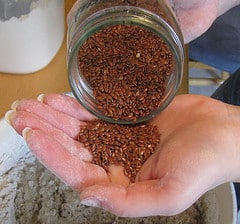
- Consume balanced meals that include protein, fat, fiber (from whole grains, legumes, fruits, starchy veggies). This will prevent blood sugar and insulin spikes and crashes and increase energy levels as well as decrease carb cravings. It will ultimately improve fertility and decrease risk of diabetes. For example, at breakfast have a smoothie with greek yogurt or protein powder, ground flaxseeds and one cup of fruit versus a smoothie made with a lot of fruit without protein and fiber.
- Limit sugary drinks/foods and high glycemic carbs including white bread, pasta, rice and other highly processed foods. These foods have a negative impact in 3 major areas of PCOS: insulin resistance, inflammation and gut health. But this doesn’t mean you have to avoid sugary foods and white carbs all the time! Your best bet would be to incorporate them as part of a balanced meal.
- Follow an anti-inflammatory diet. Include anti-inflammatory foods such as fatty fish, green leafy vegetables, fruits, whole grains, tea, and spices including turmeric, ginger, garlic, basil, cayenne pepper, rosemary, sage, nutmeg, oregano, and thyme. They have been shown to have anti-inflammatory properties.
 Eat a diet that is good for the gut. Studies are suggesting women with PCOS may have an altered gut microbiome. Optimizing your gut flora is important for a well-functioning immune system, helps ward off chronic inflammation and may help with insulin resistance. Fermented foods such as kefir, many yogurts, natto, kimchee, miso, tempeh, pickles, sauerkraut, olives, and other fermented vegetables, will help ‘reseed’ your gut with beneficial bacteria. Read my blog post on Top 8 Tips for a Healthy Gut as well as my blog post on Prebiotics and PCOS
- Pay attention to food sensitivities. Individual food sensitivities may trigger an immune-based reaction which can lead to inflammation. Common allergens like casein and gluten (proteins found in dairy and wheat) are quick to spark the inflammatory cascade. If you think you might have a food sensitivity, try going on an elimination diet for two weeks to see how you feel. You may have read you need to avoid soy, gluten and dairy. There is no evidence-based research that all women with PCOS need to avoid these foods, yet some women feel better omitting them. So try the elimination diet. Studies have shown the dairy can worsen acne in PCOS, so pay attention to how it affects you.
- Drink tea. Preliminary findings are encouraging that spearmint has the potential for use as a helpful and natural treatment for hirsutism in PCOS. Research has suggested that spearmint tea lowers androgen levels in women with hirsutism. Further research is needed to determine how effective it might be in treating hirsutism. Other types of tea (especially green tea) have benefits as well.
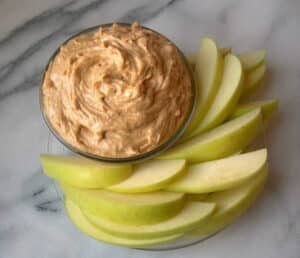
- Plan healthy snacks for in between meals if you experience hypoglycemia. My favorite snack ideas include almond butter on an apple, natural peanut butter on your favorite high fiber cracker, a handful of nuts, guacamole and veggies, plain Greek yogurt (or a non-dairy yogurt) with sunflower seeds and a few berries. Or you are on the run, try a healthy energy bar.
- Meal timing: The time of the day you eat affects how your body metabolizes food. This is due to to your body’s circadian rhythm. The body functions on a 12 hr sleep/wake cycle. Eating more calories earlier in the day during the “wake cycle” can improve insulin resistance, testosterone levels and ovulation in PCOS. I know this can be difficult as many of like to socialize around dinner time versus breakfast! But just make sure you are eating a fair amount of your calories earlier in the day and taper down a bit as the day goes by. This study is a bit radical as most of us don’t eat 980 calories for breakfast … but you get the point.
Study:
-60 lean PCOS women were randomized into two groups (both 1800 cal) for 90 days:Big breakfast: (980 kcal breakfast, 640 kcal lunch and 190 kcal dinner)
-Big dinner:(190 kcal breakfast, 640 kcal lunch and 980 kcal dinner)
Results: Big breakfast group experienced a 56% decrease in insulin resistance, 50% decrease in testosterone and 50% increase in ovulation -
Enjoy the foods you eat. Eating is one of life’s pleasures. Feeling deprived will only set you up for an eating disorder. The goal will be to have a healthy relationship with food.
-
Don’t take your calories too low. This can stress the body, increase cortisol production, and may elevate adrenal androgens. Reference It may even lead to HA (previously discussed) and can negatively affect thyroid function.
-
Avoid intermittent fasting. This can lead to under-eating, which negatively affects reproductive hormones. It also act as a stressor in the body, increasing cortisol levels and taxing an already overactive nervous system (especially if you suffer from anxiety or low blood sugar)
EXERCISE, LIFESTYLE, MIND-BODY  Weight train. Both cardio and weight training have health benefits, but it is especially important that you weight train if you are lean with PCOS. Weight training builds/preserves muscle. And muscle is one of the major ways to get glucose out to the blood and into the cells. So it helps you make less insulin! Check out my 4 blogs posts on exercise for PCOS, including What are the Best Exercises for PCOS? Some of my favorite PCOS Exercise guru’s to follow are @GinnybeFit, The PCOS Personal Trainer
- More exercise is not better! While my specific recommendations would need to be tailored to the individual, a general recommendation would be to weight train 2-3 times a week and do cardio 2 times a week. And if you have time, add in a yoga class! Overexercising can decrease fertility, increase chances of HA and set you up for exercise bulimia.
- Stress management including yoga and mediation. And I love this book by Dr. Gretchen Kubacky – The PCOS Mood Cure . This is especially important you have elevated adrenal androgens. See above.
- Adequate sleep. Sleep deprivation can affect almost every part of your body ranging from your brain, muscles, immune system and even skin. And if that’s not enough, inadequate sleep can increase risk of heart disease, diabetes and obesity as well as cause inflammation and worsen insulin resistance. This is the last thing a woman with PCOS wants. Read my blog post on 14 Reasons Why You Need Sleep with PCOS
- Try acupuncture. As per Dr. McCullough, acupuncture benefits the opiod system, and HPO axis dysfunction. Try low frequency electrostimulation 2-3 times a week before ovulation. I’ve had many lean women with PCOS swear acupuncture helped them with fertilitySUPPLEMENTS
- Myoinositol and D-Chiro-Inositol. These supplements are relatives of the B complex vitamins. Studies have demonstrated they decrease insulin, triglycerides, testosterone and blood pressure. In addition, they may regulate periods, restore hormone balance, and improve egg quality and ovulation. The brand I recommend is Ovasitol as it contains the most effective ratio (40:1) of the 2 ingredients – 1 packet twice a day.
- Keep vitamin D levels within a normal range. 80% of women with PCOS have low vitamin D levels. Low vitamin D is associated with insulin resistance in PCOS. It also improves fertility, decreases androgens and inflammation.
- Omega 3 fish oil. Research has shown that omega-3 fish oils offer many benefits to women with PCOS, including reducing testosterone levels, helping regulate menstrual cycles and improving mood. You can get the omega-3 fatty acids by eating fatty fish more than twice a week. However, if you don’t eat fish that often, you will benefit from taking a fish oil supplement. Studies suggest that supplementing with 1,500 mg of omega-3 fatty acids daily may improve insulin resistance and supplements of 2,000 mg of omega-3 fatty acids improve menstrual regularity. Reference OTHER
 Be on guard for weight gain. It’s harder to stay lean with PCOS. Lean women with PCOS have lower caloric intakes than other lean women without PCOS– it’s more difficult to stay lean! But be careful not to take your calories too low as this can slow your metabolism.
- Being too lean can have negative consequences on fertility and overall health (i.e. bone health). Too little body fat can affect ovulation and cause menstrual cycles to stop.
- Keep track of your HbA1c and cholesterol levels, especially as you age. While the risk of diabetes and heart disease is increased with body weight, you may still have an increased risk due to having PCOS.
- Beware of endocrine disrupters, especially BPA. Endocrine disruptors can wreak havoc on the endocrine system – especially when the endocrine system is already disrupted as it is in PCOS. Studies are suggesting there may be a connection between endocrine disruptors and PCOS – especially BPA. Bisphenol A or BPA is an estrogen-mimic industrial compound that is widely produced in food and beverage packaging. Multiple studies report a strong relationship between BPA and the production of testosterone. Women with PCOS tend to accumulate more of them as compared to women without PCOS. This study showed lean women with PCOS, BPA values were significantly higher compared with lean controls and the same difference was observed in the obese subgroups. Read more about Endocrine Disruptors and PCOS.
- BONUS TIP: Seek additional support if needed.
-Meet with a registered dietitian who specializes in PCOS if you need additional nutrition guidance.
-If you feel you have an unhealthy relationship with food, meet with therapist who specializes in eating issues or body image issues.


Bottom line
So as you can see, there many steps you can take to help heal your PCOS that don’t involve weight loss! Don’t fall prey to the many myths on social media.

Need help managing your PCOS?
Learn more about my PCOS coaching plans HERE. If you are interested in learning more, contact me HERE to schedule a free discovery call.
References:
https://www.ncbi.nlm.nih.gov/pmc/articles/PMC5672719/
Dr. Fiona McCulloch’s lecture on “Lean PCOS: Beyond Weight loss” at the 2016 PCOS Awareness Symposium
PCOS challenge tv: Answers for Lean Women with PCOS
Managing PCOS When You Have No Weight to Lose podcast


