
You’re probably tired of reading online about the foods and drinks you supposedly should not consume if you have PCOS. And coffee is on the “forbidden” list from many “PCOS experts”. Yikes! And I know that many of you love coffee. I recently did a survey on the one food or beverage that you couldn’t give up. Out of 90 women, 30% of you said coffee! So what’s the deal? As a registered dietitian, I like to back my recommendations up with science. So read on to get the lowdown. Is coffee bad for PCOS or can it fit into a PCOS friendly eating plan?
What’s in coffee?
Coffee naturally contains a variety of compounds including caffeine, diterpenes, antioxidants, and some essential nutrients.

- Diterpenes are oily substances which may contribute to increasing cholesterol levels. But don’t worry too much, as most of these oily substances get trapped by coffee filters.
- Antioxidants and essential vitamins/minerals include chlorogenic acid, melanoidins, vitamins B2 (riboflavin), B5 (pantothenic acid), B1 (thiamine), B3 (niacin), folate, potassium, magnesium, manganese, and phosphorus. High antioxidant activity in coffee is linked to reducing oxidative stress and chronic inflammation.

So is coffee bad for PCOS … or not so bad?
Of course, you know my answer will be … it depends! This discussion is based on caffeinated coffee versus decaf. The effects of coffee in the body are due to one or more of the following components of coffee: caffeine, the acids, and the antioxidants. Here are the pros and cons.
PROS of coffee for PCOS
- Contains disease-fighting antioxidants and anti-inflammatory substances
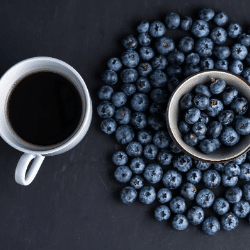
- Can lower the risk of developing type 2 diabetes
According to Harvard Health Publishing, regular coffee intake may actually reduce your risk of developing type 2 diabetes (however, please note caffeine might decrease or increase blood sugar levels if you already have diabetes).
- May boost the metabolic rate
It is easier for you to lose weight when your metabolic rate is higher. Some studies suggest caffeine in coffee may increase metabolism and stimulate fat burning. Note: I would never recommend you take a supplement with caffeine to aid in weight loss.
- Can increase levels of sex hormone-binding globulin (SHBG)
Many women with PCOS have low levels of sex hormone-binding globulin (SHBG) primarily due to insulin resistance. Some studies have reported that regular coffee consumption is associated with higher levels of SHBG. (References #1, #2)
- Improves focus, mood and alertness

- Enhances physical performance
Consuming caffeine 10-60 minutes before exercise can improve mental focus, alertness, anaerobic performance, and/or endurance performance. (Reference #1, #2, #3)
- Unknown effects on insulin sensitivity?
The role of caffeine consumption on insulin action is still under debate, however, numerous studies show that caffeine ingestion decreases insulin sensitivity. (References #1, #2, #3) But this study showed that habitual coffee consumption is associated with higher insulin sensitivity. The authors of this study also commented that it could be the antioxidants in coffee that improved insulin sensitivity.
CONS of coffee for PCOS
- Can increase the stress hormone, cortisol.

- May heighten feelings of hypoglycemia
Women with PCOS have increased incidences of hypoglycemia. Caffeine may heighten awareness of hypoglycemia, perhaps because it decreases blood flow and increases the use of glucose in the brain. This may explain my own anecdotal observation that some patients with “functional hypoglycemia” improve when caffeine is eliminated from the diet. Epinephrine, norepinephrine, and cortisol responses to falling plasma glucose were significantly greater after caffeine ingestion.
- Speeds transit time in the intestines

- Can worsen heartburn (or GERD)
Many health professionals will tell you to avoid caffeine if you have GERD. But it doesn’t bother everyone. Pay attention to how caffeinated beverages make your symptoms feel. Personally, I have GERD and it bothers me if I have cup in the afternoon, but not the morning!
- May raise blood pressure temporarily
Caffeine can cause a short, but dramatic increase in your blood pressure, even if you don’t have high blood pressure. It’s unclear what causes this spike in blood pressure. So make sure you don’t drink coffee before getting your blood pressure checked!
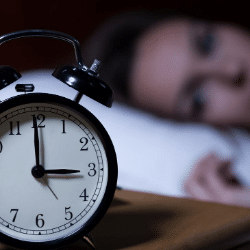
- Can disrupt your sleep
- May raise estrogen levels more in estrogen dominance
Some women with PCOS have higher levels of estrogen, compared to progesterone. This may cause the endometrium to become excessively thickened, which can lead to heavy and/or irregular bleeding (dysfunctional or anovulatory uterine bleeding). The caffeine in coffee may increase estrogen levels. This study showed women who consumed an average of 200 milligrams or more of caffeine a day — the equivalent of roughly two cups of coffee — had elevated estrogen levels when compared to women who consumed less (this is due to the caffeine).
- Pregnancy

- Potential toxicity
‘Energy drinks’, ‘energy shots’ and other energy products have exploded in popularity in the past several years; however, their use is not without risk. Caffeine is the main active ingredient in energy drinks, and excessive consumption may acutely cause caffeine intoxication, resulting in tachycardia, vomiting, cardiac arrhythmias, seizures, and death. Many dietary supplements being promoted for weight loss contain caffeine- or ephedra-related alkaloids to increase energy and suppress appetite. People may be unaware that supplements can contain caffeine, even if caffeine is not listed as an ingredient. Commonly used herbal dietary supplement ingredients, such as guarana, are natural sources of caffeine. Additions of these natural sources of caffeine to dietary supplements have increased in recent years. (References #1, #2)
Genetics and coffee
To complicate things a bit more, the effects of coffee (caffeine) on your body may be due in part to how you metabolize it. It turns out some people have a gene that causes them to be “slow” caffeine metabolizers while others are “fast” metabolizers. Scientists have identified genetic variants that influence how your body handles caffeine. These variants are located near two genes: CYP1A2 and AHR. Variants in these genes may affect how quickly the body breaks down and clears away caffeine. Many companies such as 23 and me test this gene. You would likely feel the effects more if you were a slow metabolizer.
Caffeine content of drinks and beverages
- Brewed, 8 oz. | 95 – 165 mg
- Brewed, decaf, 8 oz. | 2 – 5 mg
- Espresso, 1 oz. | 47 – 64 mg
- Latte, 8 oz. | 63 – 126 mg
- Dr. Pepper (12 oz) 37 mg
- 7 Eleven Big Gulp Diet Coke (32 oz) 124 mg
- 7 Eleven Big Gulp Coca-Cola (32 oz) 92 mg
- Baker’s chocolate (1 oz) 26 mg
- Green tea (6 oz) 40 mg
- Black tea (6 oz) 45 mg
- Excedrin (per capsule) 65mg
- Sourced from the American Pregnancy Association (APA)

Bottom line tips for coffee

Not get enough sleep, feel exhausted and stress, fuel yourself with coffee to get fast energy. This can lead to higher stress levels and anxiety, feelings of low blood sugar, more sleep problems and possibly worsened insulin resistance. Yikes!
So here’s what you can do:
- Pay attention to how coffee makes you feel. If you feel jittery or anxious, avoid it – or at least have ½ caf ½ decaf.
- If you love it and it doesn’t have any negative effects in your body, it’s fine to consume in moderation. My suggestion is one cup a day.
- If you have sleep problems, stop caffeine intake from all sources by 2 pm
- Be careful of what you add to the coffee. Avoid sugary “fancy” coffee drinks. Best bet is black or with a little full fat milk (yes, you can have milk with PCOS), or a non-dairy alternative like Nut Pods or Califia.
- If you have estrogen dominance, consider avoiding coffee, or at least limit your intake to 1 cup a day
- If you are an anxious person in general, you may want to avoid caffeinated coffee.
How does coffee make you feel?