


Are you bored with your egg or smoothie breakfast? People often asked me if oats are good for PCOS. The answer is … it depends! Oats can have numerous health benefits for PCOS including lowering cholesterol, improving insulin resistance, lowering risk of diabetes, improving digestive health and more. But not all oats are created equal as some can cause a rapid rise of blood sugar. Learn about the best types of oats for PCOS, as well as ways to make your oatmeal breakfast more PCOS-friendly.
Health Benefits of Oats for PCOS
Oats, or more formally known as Avena sativa, is a type of cereal grain which has garnered more and more media attention over the years due to its nutritional benefits. Its main type of soluble fiber, β-glucan, has been shown to increase satiety, promote weight loss and help with digestion. Oats consumption can also positively affect conditions such as type 2 diabetes mellitus by blunting glycemic response, and cardiovascular disease by inhibiting absorption of cholesterol and bile acids. And oats are packed with vitamins and minerals, including phosphorus, thiamine, magnesium and zinc.
Here are some research that demonstrate health benefits of oats:
- Reduce risk of cardiovascular disease and improved lipid profile:
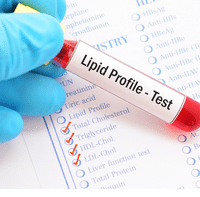
- A prospective cohort study of 716 participants demonstrated that oat fiber lowered risk of future revascularization by 46% and risk of major adverse cardiovascular events by 38% among those who have had coronary intervention. The study also showed that oat fibers reduce blood lipid parameters, including “LDL-cholesterol, triglycerides and ratio of triglycerides/HDL” (Wu, et al., 2019).
- Reduce insulin resistance and risk of type 2 diabetes mellitus:
- A systematic review of 14 controlled trials and 2 uncontrolled observational studies found beneficial effects of oatmeal on glucose control, including reduction of “acute postprandial glucose and insulin response” (Hou, et al., 2015).
- A systematic review of 8 studies, which included 471,157 participants, showed that oat was associated with reduced risk of developing type 2 diabetes mellitus.
- Promote weight control and improve satiety:
-

- A literature research suggested that oat β-glucan, a viscous fiber, may promote satiety because its “viscosity interferes with the peristaltic mixing process in the small intestine to impede digestion and absorption of nutrients, which precipitates satiety signals” (Rebello, et al., 2016).
-
- Improve digestive health:
- A systematic review of 23 randomized controlled trials, 21 nonrandomized trials, 8 observational studies, and 32 in vitro studies found that “oat intake was associated with the increase of beneficial bacterial groups in individuals without gastrointestinal disease and those with celiac disease.” (Valido, et al., 2021).
- A literature review of 8 human studies, 19 animal studies, and 5 in vitro studies suggested beneficial effects of oats on digestive health, including increasing fecal bacterial mass and short-chain fatty acids which promote laxation.


Types of Oats
All oats are carbs, which means they will cause a rise of blood sugar and insulin. However, all oats are not created equal. Some are more processed than others. In general, the less processed the oats are, the less of an effect they’ll have on blood sugar and insulin levels.
Note: the glycemic index is an indicator of how high the blood sugar will go after consuming the food. Low glycemic = 1-55; Moderate glycemic = 56-69; High glycemic = 70.
Here are 5 different types of oats, as well as information pertaining to their glycemic index, cooking time and what they are best used for:
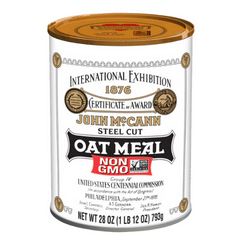
- Glycemic index: <40
- Cooking time: 45-60 minutes
- Best used for: grain bowls, hot cereals, salads, stews or pilafs
- Steel-Cut/Irish: Oat groats that have been cut into smaller pieces with steel blade, hence the name “steel-cut.”
- Glycemic index: 42-52
- Cooking time: 20-30 minutes
- Best used for: overnight oats, breakfast bowls, porridge, savory congee, meatloaf or stuffing
- Scottish Oats: Oat groats that have been finely grounded.
- Glycemic index: ~50
- Cooking time: 10 minutes
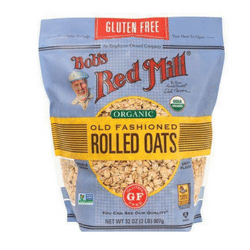
- Rolled/Old-Fashioned: Oat groats that have been steamed and rolled to remove moisture and produce more quick-cooking products.
- Glycemic index: 57
- Cooking time: 5 minutes
- Best used for: overnight oats, breakfast bowls, granola bars or baked goods
- Quick/Instant: Oat groats that have been steamed longer and rolled into thinner pieces.
- Glycemic index: 82
- Cooking time: 3 minutes or less
- Best used for: quick breakfast


How to Make Your PCOS-Friendly Oatmeal
While a bowl of oatmeal topped with fruit is a delicious nutrient-packed breakfast, it may not be the best choice for PCOS. This is because it’s low in protein fat and high in carbohydrates, which can spike blood sugar and insulin levels.
But you can make oatmeal PCOS friendly with these three tweaks:
- Choose the less processed oat. But even if you end up using a more processed oat like instant, the following tips will help you.
- Add in some protein and fat, and maybe even some extra fiber (read our previous post on Healthy Toppings for Oatmeal).
- Protein: protein powder
- Fat: coconut
- Combo protein/fat: nuts, seeds, nut and seed butter, an egg (some people like savory oats!)
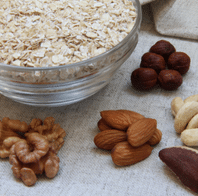
- Bonus nutrients: cacao powder and cacao nibs
- Try overnight oats. These types of oats have even more health benefits for the digestive tract as they form resistant starch. This starch has many health benefits for insulin resistance and the gut microbiome. Read our previous post on How to Make Overnight Oats

If you don’t have 30 minutes to cook oat groats or steel-cut oats, batch cook it for the week. Then just portion out, add your toppings, and reheat it!
Bottom Line
Oats can be a great breakfast choice for PCOS, especially in the cold weather! Not only is it filling, but it has numerous health benefits. But remember to add in protein, fat and even extra fiber to make it PCOS-friendly. And choose a lower glycemic type of oat when possible.
What are your favorite oatmeal and oatmeal toppings?


