


What always worked for you in the past just isn’t cutting it anymore. I hear this from my clients all the time, especially when it comes to weight loss over 40. And let me assure you: you’re not imagining it. This is really happening.
As we move through our 40s, 50s, and beyond, weight loss becomes more challenging. A slower metabolism, shifting hormones, changes in sleep, and even gut health all play a role in how our bodies respond to food and exercise. This can feel discouraging, especially if you’re doing “all the right things” and not seeing results.
I am here to tell you that harder does not mean impossible, and I have helped many of my over 40 clients lose weight, support their metabolism, and feel their best at every age.
So Why Is It Harder?
There isn’t just one reason the scale feels stuck after 40. It’s a combination of biological changes and lifestyle factors that stack the odds against us. Here’s what’s really going on:

1. Your Metabolism Slows Down
Starting around age 30, most people lose 3–8% of muscle mass per decade if they don’t strength train. Less muscle means fewer calories burned at rest.
By age 45, you may naturally burn about 200 fewer calories per day than you did at 25 — even if your eating and exercise habits haven’t changed.
On top of that, hormones like estrogen and testosterone decline with age, which shifts fat toward the belly and reduces lean muscle. Even if your weight doesn’t change much, your body composition does, with less muscle and more fat, which further slows
💡 Did you know? Strength training can dramatically slow (sarcopenia – age-related muscle loss) and even build new muscle at any age. Adults in their 70s, 80s, and beyond can still gain muscle and strength with resistance training.
2. Weight Loss & Hormones
With age, we often become more insulin resistant, making it easier to store fat, especially around the belly. Keeping insulin regulated helps to support weight management.
Women experience estrogen decline around menopause, which shifts fat storage to the midsection. Men see a gradual drop in testosterone, leading to less muscle and more fat.
Hormones like ghrelin, leptin, and GLP-1 may become less balanced, making it harder to feel satisfied and control cravings.
3. Lifestyle & Environmental Shifts
Midlife often means more stress, less sleep, and less movement. These factors stack the odds against weight loss:

Sleep: Hormone changes, busy schedules, and stress often disrupt sleep. Poor sleep throws off hunger hormones and worsens insulin resistance. For many of my clients, late-night scrolling or Netflix binges make things even harder.
Movement: Even if you exercise, your overall activity may be lower than in your younger years. Desk jobs, long commutes, or joint aches often reduce natural movement. Since the pandemic, I’ve noticed many clients working from home more — and moving less throughout the day.
4. Gut Health & Aging
As we age, the diversity of gut microbes often declines. A less diverse microbiome is linked to slower metabolism, more inflammation, and more cravings for processed foods.
On the other hand, people with healthier, more diverse gut bacteria generally have an easier time managing their weight and blood sugar.
👉 Want to dive deeper? Check out my post: Gut Health 101: Why It Matters and How to Support It Naturally.
How to Achieve Weight Loss Over 40
I have good news for you. While your body changes with age, you can take control by making a few key shifts. These strategies will help you work with your metabolism and hormones instead of against them:
- Prioritize protein at every meal. Aim for 25–30 grams to protect lean muscle, keep metabolism strong, and help you feel fuller for longer.
- Strength train 2–3 times per week. This builds and preserves lean muscle — one of the best defenses against age-related metabolic slowdown.

- Do not rely on just cardio alone. Research shows results are often modest because the body compensates by increasing hunger or reducing movement later.
- A 2021 overview of 12 systematic reviews (149 studies) in Obesity Reviews found that combining aerobic and resistance training most effectively supports weight and fat loss, while resistance training helps preserve lean muscle mass during weight loss.
- Increase NEAT movement. NEAT stands for non-exercise activity thermogenesis. It includes all the calories you burn from everyday activities outside of formal exercise. Think taking the stairs, standing while on calls, doing light chores, or stretching during TV time. These small movements might not feel like much, but they add up over the day and can give your metabolism a real boost.
- Aim for at least 7,000 steps a day. Studies show around 7,000 steps daily is linked to better health and easier weight control. If you’re already there, building toward 8,000–10,000 and mixing in some brisk walking provides even more benefits.
- Boost your body’s natural weight-loss hormones. Your gut produces hormones like GLP-1 that regulate appetite, blood sugar, and metabolism. You can boost their release by eating protein, fiber-rich foods (beans, veggies, berries), and polyphenol-rich foods (green tea, olive oil, dark chocolate). Good sleep and stress management also play a big role.
- Keep insulin levels steady. Pair carbs with protein or healthy fats, eat more fiber, and stay active throughout the day to improve insulin sensitivity.
- Lower cortisol with stress management. Even 5 minutes of deep breathing, journaling, or stepping outside can help lower stress, reduce cravings, and support fat loss.
- Prioritize sleep. Aim for 7–9 hours per night. Good sleep keeps hunger hormones in check, reduces cravings, and supports metabolism.
- Support gut health. Feed your microbiome with fiber, probiotics (yogurt, kefir, sauerkraut), and a wide variety of plant foods.
- Keep a food journal or track intake. Even when you feel like you’re doing everything right, hidden calories or low protein can stall progress. Research shows food tracking supports greater weight loss. Apps like Cronometer or MyFitnessPal can help you monitor calories, carbs, fiber, protein, and fat.
- Seek medical support if needed. Sometimes lifestyle changes aren’t enough. GLP-1 medications and other medical tools can be very effective when combined with healthy habits.
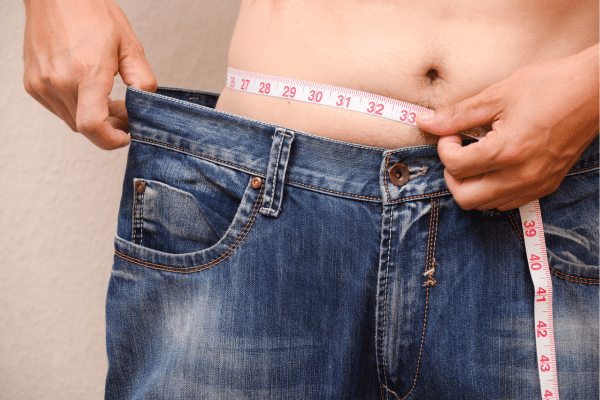
- Be patient and look for multiple signs of progress. The scale is only one measure of success. Pay attention to other wins like more energy, better sleep, clothes fitting looser, lower body fat percentage, or improved cholesterol and blood sugar.


Final Thoughts
Yes, weight loss gets harder with age but not impossible if you understand how metabolism, hormones, lifestyle, and gut health change over time, you can make smart adjustments that actually work for your body.
Taking action with small changes adds up. Start by adding 20 grams of protein to breakfast, taking a 10-minute walk after dinner, or committing to two strength-training sessions this week.
If you’re feeling frustrated, know that you don’t have to figure it out alone. Together, we can build a personalized plan to support your metabolism and hormones so weight loss feels realistic and sustainable. No crash dieting or gimmicks required.
👉 Ready to get started? Book a virtual session and let’s create your personalized plan for weight loss.


