


Inflammation is a buzzword these days in the health and wellness community, and for good reason! Chronic inflammation is linked to numerous health conditions including heart disease, diabetes, arthritis, reduced cognitive function and obesity. Furthermore, there is a strong link between PCOS and chronic, low grade inflammation. In addition to driving many of the symptoms associated with PCOS, this inflammation also increases other health risks. The good news is that there are many things you can do to lower it through incorporating a few tweaks in your day-to-day.
The topic of inflammation can be quite overwhelming, especially when it’s compounded by generalized (and often inaccurate!) information touted by many “coaches” (and even health professionals). You may see sweeping statements online, such as “everyone with PCOS needs to avoid gluten and dairy because it causes inflammation,” or, simplified solutions like “avoiding seed oils” or “taking XYZ supplements” to reduce symptoms. In reality, there is no one-size-fits-all solution, it’s a lot more complex! Our blog post will take a deep dive into the topic of chronic inflammation and its relationship to PCOS, and provide evidence-based strategies to reduce it through nutrition and lifestyle.
What Is Inflammation?
First, let’s quickly get this out of the way- not all inflammation is bad. In fact, there are 2 main types of inflammation: acute and chronic.
Acute inflammation in the body helps us defend against bacteria and repair damaged tissues. It tends to have a rapid onset and be short lived. For example, when you cut your finger, it gets warm, red and swollen. This “inflammatory cascade” triggered by your immune system is your body’s attempt to heal itself. Once the threat has been taken care of, the inflammatory response shuts off.
Causes: infections, tissue damage, foreign bodies, hypersensitivity, autoimmunity
Chronic inflammation can last months, years or even decades. It may occur with no apparent injury or disease, yet it may play a causative role in numerous diseases. Chronic inflammation is linked to obesity and insulin resistance, PCOS, cardiovascular disease metabolic syndrome, NAFLD (non-alcoholic fatty liver disease), psoriasis, inflammatory bowel disease, rheumatoid arthritis – to name a few.
Causes: genetics, environment, lifestyle (exercise, sleep, diet)
Blood Tests for Inflammation

- High Sensitivity C-reactive protein (CRP) has emerged as a crucial marker of inflammation and cardiovascular risk in PCOS. The CRP/albumin ratio may be an even more accurate indicator of PCOS-related inflammation.
- ESR (erythrocyte sedimentation rate)
- Complete Blood Cell Count (CBC) shows white blood cell and platelet levels that may indicate inflammation
- Ferritin may rise in the presence of inflammation or autoimmune disease
Additional tests that may provide further insight:
- Interleukin-6
- Interleukin-11
- Tumor necrosis factor (TNF alpha)
- Adiponectin
- CD40 ligand
- Lipoprotein-associated phospholipase A2 (Lp-PLA2)
- Albumin levels (low levels may indicate inflammation)
While those with obesity and insulin resistance often show higher levels of these markers, it’s important to note that even leaner individuals can have elevated inflammatory markers due to the nature of PCOS, underlying conditions. Note: Exercise can lead to temporary increases in inflammation markers and should be avoided in the hours prior to a blood draw.
Key point: Inflammation may be present in the body even before these markers show elevated levels in tests. Furthermore, taking steps to protect against inflammation from the get go is important to reducing the risk of developing chronic inflammation in the long run.
The PCOS and Chronic Inflammation Connection

Potential causes of inflammation in PCOS can include:
- Hormones and PCOS: High androgen levels, a hallmark of PCOS, amplify this inflammatory response. Interestingly, this relationship appears bidirectional – while androgens increase inflammation, there’s evidence that inflammation might also stimulate androgen production in the ovaries. This creates a potential feedback loop that could explain the persistent nature of PCOS symptoms.
- Abdominal Fat Factor: PCOS patients often have increased abdominal adiposity regardless of body weight. This visceral fat contributes significantly to the overall inflammatory load, secreting various proinflammatory molecules.
- Insulin Resistance: Chronic inflammation over time can lead to the development of insulin resistance, which over time may progress to conditions like obesity and type 2 diabetes if left unmanaged. For those with PCOS, who often struggle with insulin resistance, reducing insulin levels is paramount. High insulin levels have been consistently linked to increased inflammation in scientific studies, and are a key factor in PCOS symptoms.
- Immune System Function: PCOS patients’ immune systems tend to have higher sensitivity to simple sugars. When the immune cells are activated on a consistent basis from a diet consistently high in sugar, they release inflammatory substances, contributing to worsening of insulin resistance and a proinflammatory state. This heightened sensitivity can occur in both lean and obese PCOS patients and emphasizes the importance of moderation when it comes to enjoying a sweet treat
Diet for PCOS & Chronic Inflammation
When it comes to Polycystic Ovary Syndrome (PCOS) and overall health, inflammation is emerging as a crucial factor that we can’t afford to ignore. Our modern lifestyle, characterized by chronic stress, lack of exercise, poor sleep, and a Western diet heavy on processed foods, sugar, and refined carbs, may be fueling a low-grade inflammatory fire in our bodies. While we can’t point to a single candy bar and claim it will spike your inflammatory markers, the cumulative effect of consistently poor dietary and lifestyle choices can indeed lead to increased inflammation. This is particularly relevant for people with PCOS, who may already be more susceptible to inflammatory processes.
Interestingly, food sensitivities can also play a role, with some individuals experiencing immediate inflammatory responses to certain foods. It’s important to note that while we see associations between lifestyle factors and inflammation, especially in PCOS, we can’t always draw direct causal links. However, the evidence is compelling enough to suggest that adopting an anti-inflammatory lifestyle – think Mediterranean diet, regular exercise, stress management, and good sleep hygiene – could be a game-changer for managing PCOS symptoms and promoting overall health.
Here are my top 8 dietary tips to decrease inflammation while managing PCOS:

- Embrace slow-digesting carbohydrates: Opt for vegetables, legumes, fruits, and whole grains. These are rich in fiber, beneficial fatty acids, magnesium, carotenoids, and flavonoids – all supportive of anti-inflammatory processes.
- Eat a fiber-rich diet: When it comes to lowering chronic inflammation and improving biomarkers, fiber is up there in top dietary recommendations. In addition to decreasing inflammation, fiber helps lower cholesterol, feeds the good gut bacteria, and improves feelings of satiation and satiety between meals. The general fiber recommendation is 25g/day for women and 38g/day for men, however this is just a starting point. Check out my blog post that dives deeper into the different kinds of fiber and specific recommendations.
- Omega 3 fats: Fatty fish like salmon, sardines, and herring are excellent sources. While not as potent, vegetarian options include walnuts, chia seeds, flaxseed, and omega-3 enriched eggs. These fats help reduce the production of inflammatory prostaglandins.
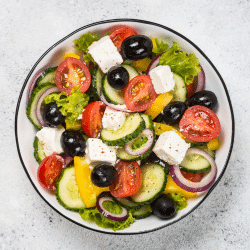
- Olive oil: Rich in monounsaturated fats, polyphenols, and antioxidants, olive oil is a cornerstone of anti-inflammatory nutrition.
- Green leafy vegetables: Vegetables like kale, spinach, and Swiss chard are packed with antioxidants, flavonoids, carotenoids, and vitamin C, offering cellular protection. Opt for organic locally grown veggies that are in season where possible and set a goal of making half your plate vegetables.
- Spices: Turmeric, ginger, garlic, and various herbs have demonstrated anti-inflammatory properties in scientific studies – so pump up the flavor and try them out next time you are cooking at home!
- Fruits: Berries, cherries, and citrus fruits are high in natural antioxidants and anti-inflammatory polyphenols.
- Green tea – A recent study found that regular green tea consumption may reduce inflammation and support bone health in postmenopausal women.
- Minimize sugar and refined carbs: A recent meta-analysis discusses the role that excessive sugar intake plays in metabolic health, showing that processed sugars can trigger inflammatory cytokines. Additionally, high-glycemic foods promote advanced glycation end (AGE) products, further stimulating inflammation.
- Balancing omega 3:6 ratio: Omega-3 fats, found in nuts, chia and flaxseeds, and fatty fish, tend to be anti-inflammatory, while an excess of intake in omega-6 fats found in oils like corn oil, vegetable oils, mayonnaise and many salad dressings, can be inflammatory. The omega-6 fats aren’t necessarily “bad,” as they are still crucial for overall health. The problem comes in when considering the standard American diet: it contains too many omega-6 fats from fried and processed foods, and too little omega-3 fats.
- Limit processed meat: High consumption of processed meats (hot dogs, sausages, deli meats, cured meats, etc) have been associated with increased inflammation, particularly in those with obesity.
- Limit fried and charred foods, High-heat cooking, especially charring, can increase advanced glycation end products (AGEs) which have been implicated in the development and progression of various metabolic and chronic diseases. Consider using marinades to lower AGE production and lower-heat cooking methods or less time on the hot grill.


PCOS and Food Sensitivities
Recent research has uncovered a complex relationship between food sensitivities and inflammation. Unlike food allergies, these sensitivities trigger lower-grade, inflammatory reactions. Common culprits like casein (in dairy) and gluten (in wheat) can initiate a cascade effect in the immune system that leads to the release of pro-inflammatory mediators such as cytokines, leukotrienes, and prostaglandins. 
- Elimination diet: Remove suspected foods for 2-4 weeks, then reintroduce one at a time
- Careful symptom monitoring during elimination and reintroduction phases
I highly recommend working with a dietitian when working through food sensitivity testing, as many times it can be confusing to navigate! Understanding these sensitivities offers a promising avenue for managing inflammation-related PCOS symptoms. As this field evolves, it continues to unveil the intricate connections between diet, immune function, PCOS, and overall well-being.
Lifestyle Changes for PCOS & Chronic Inflammation

- Exercise on a regular basis. Exercise is crucial for reducing inflammation in PCOS, and incorporating various types of movement like the occasional HIIT class, regular walking, strength training and steady-state cardio are beneficial. Food for thought: Research suggests that exercising below 70% of maximum effort for up to 60 minutes on a regular basis can effectively reduce inflammatory markers, increase beneficial neurotransmitters, and improve brain chemistry. Word of caution: I recommend paying attention to how your body feels after various types of exercise. Some people with PCOS may feel more inflamed after overdoing vigorous exercise and so a variety of exercise and adequate rest is encouraged.
- Stress management. Chronic stress elevates cortisol levels, directly influencing insulin metabolism and exacerbating inflammation, both key concerns in PCOS. Research has consistently linked stress and depression to increased inflammatory markers, particularly C-reactive protein (CRP). One study found a relationship between increased stress markers and high levels of visceral fat in people with PCOS, underscoring the importance of effective stress management. Read my blog post on dietary tips to manage stress.
- Quit smoking if you smoke. The detrimental effects of smoking on inflammation are well-documented in scientific literature. For those with PCOS, who may already have elevated inflammatory markers, smoking cessation is a critical step in reducing systemic inflammation.
- Sit less. Extended periods of sitting, even in individuals who exercise regularly, are associated with elevated inflammatory markers including fasting insulin, leptin, leptin/adiponectin ratio, CRP, and IL-6. These effects appear more pronounced in women, highlighting the importance of regular movement throughout the day for those with PCOS.

- Work on decreasing insulin levels if insulin resistant. Insulin resistance can be managed through implementing the various dietary and lifestyle recommendations detailed in this post and working with a practitioner that understands the condition. Click this link to see my top tips to decrease insulin resistance.


Bottom Line
PCOS is associated with chronic low grade inflammation. This in turn can increase risk for endothelial dysfunction, atherosclerosis, and coronary heart disease. Our evidence-based strategies offer a comprehensive approach to managing inflammation through nutrition and lifestyle modifications.


