


What do you think about when you hear the word FIBER? Probably your gastrointestinal tract! While fiber does help keep you “regular”, it also plays a major role in cardiovascular health, diabetes and weight management. Since heart health has been in the news a lot lately with the “eggs are no longer bad” stories, I thought I would focus on a stealth weapon in the fight against heart disease – FIBER. Fiber, especially soluble or fermentable fiber lowers LDL cholesterol and decreases risk of CVD. Find out what fiber can do for you and see if you are eating enough of it (hint: probably not!)
What is fiber?
Also known as “roughage”, fiber is the indigestible part of plant foods that passes through our digestive system. If you’ve ever eaten a cereal bowl of twigs, you know what I mean. It’s found in beans, whole grains, fruits, vegetables and some supplements. On its way throughout the digestive tract, it does a lot of good things!
Types of fiber
Fiber is made up of non-starch polysaccharides, such as cellulose, dextrins, inulin, lignin, chitins, pectins, beta-glucans, waxes and oligosaccharides.
There are 3 main types of fiber – soluble (or fermentable) and insoluble. Most fiber rich foods are a combination of several types of fiber.
Soluble fiber dissolves in water to form a gel-like substance. It attracts fluid your digestive tract and forms a low moving sludge. This can bind to cholesterol and prevent it from being absorbed. Sources of soluble fiber are oats, legumes (beans, peas, and soybeans), apples, bananas, berries, barely, some vegetables, psyllium, chia and flaxseeds. There are four major types of water-soluble fiber:-beta-glucan, psyllium, pectin and guar gum.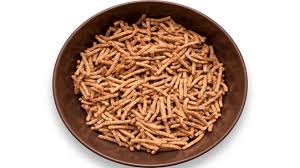
Insoluble fiber increases the movement of material through your digestive tract and increases your stool bulk. Sources of insoluble fiber are whole grains, bran, nuts, seeds, and the skin of some fruits and vegetables.
Resistant starches resist digestion until they reach the large intestine. In the large intestine resistant starches cause bacteria to produce fatty acids. The fatty acids provide several health benefits, one of which is lowering glucose after eating. Foods that contain large amounts of resistant starch are: legumes; cooked and cooled potatoes, pasta and rice; and oatmeal.
Heart health benefits of fiber
– Total fiber: High intake of dietary fiber has been linked to a lower risk of heart disease in numerous studies. In one Harvard study of over 40,000 male health professionals, researchers found that a high total dietary fiber intake was linked to a 40 percent lower risk of coronary heart disease, compared to a low fiber intake.
–Soluble fiber lowers risk of heart disease by decreasing serum total and low-density lipoprotein cholesterol concentrations and improves insulin resistance.
In addition, soluble fiber can reduce the absorption of cholesterol in your intestines by binding with bile (which contains cholesterol) and dietary cholesterol so that the body excretes it. *5 to 10 grams of soluble fiber a day decreases LDL cholesterol by about 5%.
It is most likely that water-soluble fibers lower the (re)absorption of in particular bile acids. As a result hepatic conversion of cholesterol into bile acids increases, which will ultimately lead to increased LDL uptake by the liver. Additionally, epidemiological studies suggest that a diet high in water-soluble fiber is inversely associated with the risk of CVD.
Read more about how the Portfolio diet (which is high in soluble fiber) can lower your cholesterol.
-Gut health. A high fiber diet may favorably affect the gut microbiome which is associated with a decreased of cardiovascular events (and decreased incidence of diabetes). This is a hot area of research.
How much fiber do you need?
The average American consumes ~ 9-14 grams of fiber a day. And I bet you are one of them! The recommended amount of total dietary fiber is 20 to 35 grams a day – and for heart health, ideally
10 of these grams should come from soluble fiber per day. Getting to this can be a lot more difficult than you think! Check out the fiber chart below to see how much fiber you are consuming.
Tips to increase the soluble fiber content of your diet
1. Have oatmeal for breakfast. Steel cut is best!
2. Add chia or ground flaxseeds to yogurt, oatmeal, cereal, salads. See my previous post on Flax, Chia and Hemp Seeds
3. Eat at least 2 servings of fruit a day
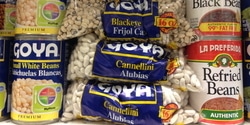
4. Include more beans in your diet. Add them to salads, vegetable or grain dishes, make chili with lean beef, ground turkey breast or just vegetarian. 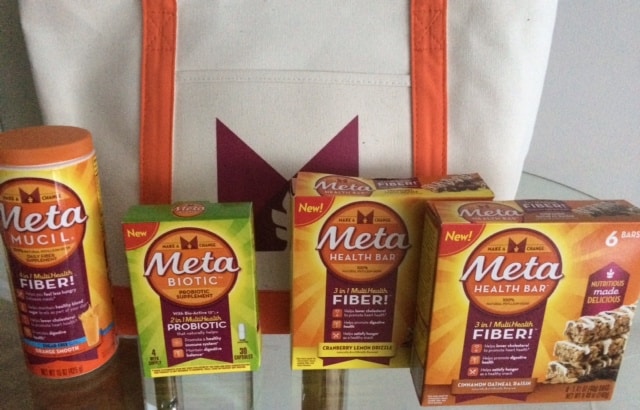
5. Increase portion size of vegetables at meals
6. Add a psyllium supplement. Metamucil is a brand I often recommend to my clients. New Meta Health Bars are also an easy way to get more psyllium in your diet, especially when you’re on-the-go
Word of caution: When it comes to fiber, more is not better … at first. If your current diet is low in fiber, increase your fiber intake slowly otherwise you may initially feel bloated or gassy Your body will likely get used to the fiber. Make sure you are drinking adequate amounts of fluid as you increase your fiber intake. If you have any gastro-intestinal issues, make sure you check with your doctor before increasing your fiber intake. Large amounts of fiber in food or supplements may not be well tolerated in some people.
Bottom line
I find that when it comes to heart health, we are too focused on what we should RESTRICT (dietary fat, cholesterol and sodium). Instead, I would encourage you to think about what you can ADD in … fiber! The ultimate 
References:
Fiber and heart health
#1 Harvard.edu
#2 Pubmed
#3 Medicalnewstoday.com
Resistant starch:
#1 Todaysdietitian.com
#2 Mycareteam.com
Gut health:
#1 Pubmed
#2 Harvard.edu
Soluble fiber content of food
#1Dietitians.ca
Disclaimer: I’m a spokesperson for Meta and was
compensated to write this post.


